You might be replaying the crash in your head over and over. The sound of brakes, the sudden impact, the confusion as more cars collided. One moment you were just driving on the freeway, and the next moment everything changed. Now you are stuck with questions. Who is at fault. Will insurance blame you. Brian Boyer’s guide to freeway collision fault can help you start to understand your situation and options. How do you even start to sort this out when there were several vehicles involved and the scene was complete chaos.end
If you feel overwhelmed, that is normal. Freeway accidents and multi vehicle crashes are messy, both on the road and on paper. Fault is not always obvious. Drivers point fingers at each other. Insurance companies push back. You may worry that one wrong word could cost you the help you need. Because of this tension, you might wonder whether anyone will ever see what really happened.
Here is the short version. Fault in multi car crashes is usually based on a mix of traffic laws, physical evidence, crash reports, and sometimes expert reconstruction. It is rarely about just one person’s story. The process can be confusing, but there is a path through it, and you do not have to carry all the weight on your own.
Why fault in freeway and chain reaction crashes feels so unfair
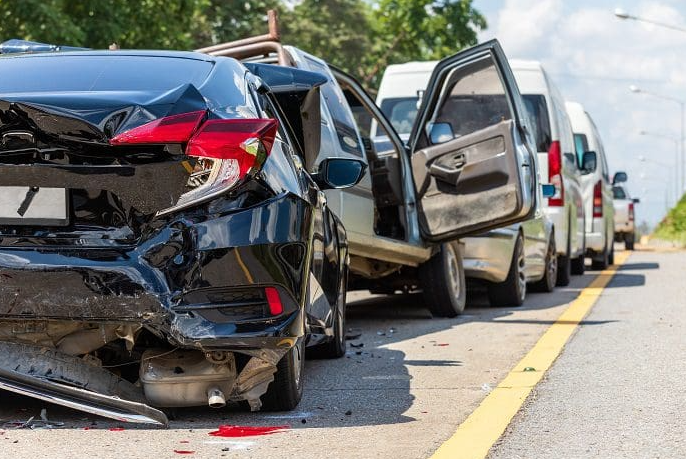
Freeway collisions often start with one mistake, then grow into a chain reaction. A driver looks at their phone for a second. Another driver follows too closely. Someone brakes hard to avoid debris or a drifting car. Within seconds, several cars are involved and the scene looks like no one was in control.
Now imagine this. You are in the middle of a line of cars. The car behind you hits you, pushing you into the car in front. From the outside, it might look like you “rear ended” someone. You might fear that this makes you automatically at fault, even though you had no chance to stop. This is where freeway fault can feel deeply unfair.
The truth is that fault in these crashes is almost never as simple as “rear end equals blame.” Investigators and insurance adjusters look at what each driver did in the seconds before the impact. For example, federal safety research on aggressive and impaired driving shows that behaviors like speeding, tailgating, and sudden lane changes are major contributors to multi vehicle wrecks. You can see some of that background in resources from the National Highway Traffic Safety Administration, such as their report on impaired driving countermeasures at this NHTSA publication.
So where does that leave you. It leaves you in a position where your actions and the actions of others all need to be examined in context. That is where the law and careful investigation come in.
See also: Why Family Dentistry Is The Key To Building Lifelong Healthy Habits
How investigators actually decide who is at fault
When there is a freeway pileup or a multi car collision, fault is usually built from many small pieces of information, not just one big conclusion. Think of it as building a timeline of responsibility.
Investigators, insurance adjusters, and sometimes a personal injury lawyer will typically look at:
1. Traffic laws and right of way
They check who had the duty to yield, who should have kept a safe distance, and who violated clear rules. On freeways, this often involves unsafe lane changes, speeding, or failing to adjust to traffic or weather conditions. Roadway departure crashes, where vehicles leave their lane or the road entirely, are also a common factor. The Federal Highway Administration has data on these types of events at this roadway departure resource.
2. Physical evidence from the crash scene
This can include skid marks, final resting positions of the vehicles, damage patterns, debris fields, and road conditions. For example, if your car shows damage only to the rear, and the car in front of you has no damage from your vehicle, that supports your claim that you were pushed forward rather than initiating the impact.
3. Police reports and witness statements
The police report often contains the officer’s observations, diagrams, and sometimes an initial opinion on fault. Witnesses may confirm things like sudden swerving, speeding, or a car that “came out of nowhere” across lanes. That said, witnesses can be mistaken, and early assumptions are not the final word.
4. Vehicle data and technology
Modern vehicles may record speed, braking, and steering data. Traffic cameras or dash cams can show exactly how a chain reaction started. In complex multi vehicle collisions, this kind of objective evidence can be powerful, especially when stories conflict.
5. Contributing factors like weather, road design, or impairment
Rain, fog, poor lighting, or sharp curves can influence fault. So can driver fatigue, distraction, or intoxication. Sometimes responsibility is shared. One driver may be mostly at fault, but others may have contributed by following too closely or not paying attention.
Because of all these moving pieces, fault in multi vehicle freeway collisions is often divided among several drivers. That can directly affect how much compensation you can seek, which is why the details matter so much.
Should you handle this alone or get professional help
You might be wondering whether you can just work with the insurance companies yourself or whether you should involve a professional. The answer depends on the severity of your injuries, the number of vehicles involved, and how disputed the facts are.
| Approach | When it seems appealing | Hidden risks | When to reconsider |
|---|---|---|---|
| Handling the claim on your own | Minor property damage, no clear injuries, you feel pressured to “just settle and move on.” | You may accept blame you do not owe. You might miss deadlines or undervalue medical costs, lost income, or future pain. Insurance may use your statements to reduce or deny payment. | If you begin to feel blamed for a chain reaction you did not start, or if new pain appears days after the crash. |
| Working with a personal injury lawyer | Multiple vehicles involved, injuries, confusion about who is at fault, or pushback from insurance. | People sometimes worry it will make things “too aggressive” or take longer, or they fear legal costs without understanding fee structures. | When fault is unclear or shared, when medical bills are growing, or when you feel your story is not being heard. |
You do not have to decide this in a single moment. What matters is that you understand your options, especially when fault is being argued or twisted.
Three steps you can take right now to protect yourself
1. Write down your own clear timeline
As soon as you can, write out what happened in your own words. Start a few minutes before the crash. Include your speed, lane position, traffic flow, weather, and anything unusual you noticed, like a swerving car or sudden slowdown ahead. Do not worry about sounding “legal.” Just be honest and detailed. This personal record can be very useful when your memory starts to blur or when someone else’s version does not match what you lived through.
2. Gather and organize every piece of evidence you can
Collect photos of your vehicle, the scene if you have them, your injuries, and any property that was damaged. Keep copies of the police report, medical records, repair estimates, and correspondence with insurance. If anyone at the scene took video or mentioned a dash cam, write that down too. In multi car freeway crashes, small details, like where your car ended up or which airbags deployed, can help show that you were reacting, not causing.
3. Be cautious with insurance conversations
When you talk with insurance adjusters, stay calm and factual. Do not guess. If you do not know the answer to a question, say you are not sure. Avoid phrases like “I am probably partly to blame” or “maybe I could have stopped,” especially before you fully understand the sequence of events. If the conversation starts to feel like an interrogation, or if you feel pressured to accept a quick settlement, that is a sign you may benefit from guidance from a car accident attorney who understands how fault is determined in these situations.
Moving forward when fault feels uncertain
Freeway accidents and multi vehicle crashes can leave you not only injured, but also doubting yourself. It is hard to heal when you are carrying guilt, fear, and financial stress at the same time. You deserve clarity about what really happened and what your rights are.
Understanding how fault is determined in freeway pileups and chain reaction crashes is the first step. The next step is making sure you are not standing alone against insurance companies and competing stories. You are allowed to ask questions. You are allowed to push back when something does not feel right. You are allowed to seek help from a personal injury lawyer who can sort through the evidence and speak for you when the noise becomes too much.
You did not choose this crash. What you can choose now is to protect your story, your health, and your future, one careful step at a time.