11 Ways Silicone Prototype Manufacturers Improve Design Accuracy and Manufacturing Success

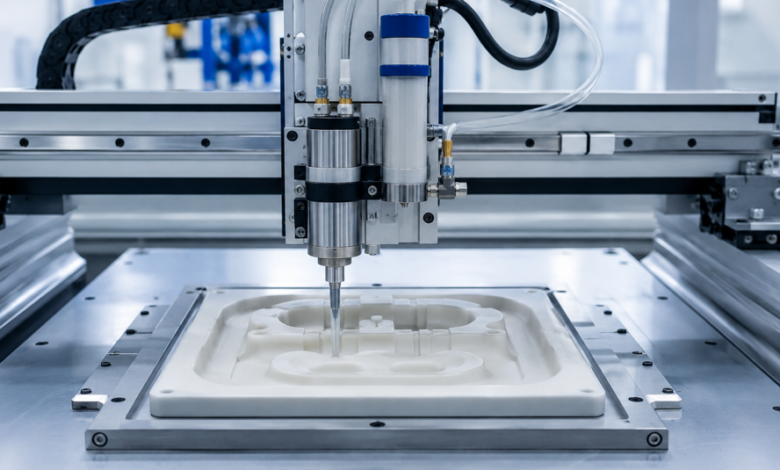
Silicone prototype manufacturers elevate design accuracy using different techniques. These include conducting mold flow simulations or validating material durometers. Testing tight tolerances early is another key step to follow here. Partnering with specialized prototype engineering teams reduces production risks, while preventing costly tooling revisions and accelerating the transition to mass manufacturing.
Key Takeaways
- Early prototyping identifies design flaws before full-scale tooling begins.
- Material testing ensures proper durometer, tear strength, and thermal resistance.
- Simulation software optimizes wall thickness and reduces parting line flash.
- Prototyping establishes scalable processes for seamless high-volume production transitions.
Silicones offer unmatched flexibility, thermal stability, and biocompatibility for modern product applications. Converting complex silicone designs into physical parts requires precise engineering control. Design flaws often remain hidden until mass production begins.
Early-stage prototyping bridges the gap between digital CAD concepts and factory production. Specialized engineers analyze material behavior under real mold conditions. This proactive approach saves time and prevents expensive tooling modifications later.
Phase 1: Precision Engineering and Tooling Validation
Partnering with experienced prototype engineers leads to strong structural integrity for custom silicone parts. The initial design phase requires thorough simulation and precise material testing.
1. Advanced Mold Flow Simulation
Liquid silicone rubber behaves differently than standard thermoplastics during injection molding. Expert silicone prototype manufacturers run detailed mold flow simulations. These simulations predict material flow, air traps, and weld line locations. Engineers adjust runner systems before cutting steel molds.
2. Precise Material Grade Selection
Silicone formulations vary widely in durometer, elongation, and temperature limits. Qualified silicone prototype manufacturers test multiple grades of Liquid Silicone Rubber (LSR) and High Consistency Rubber (HCR). Physical testing can help validate tensile strength and chemical resistance while offering realistic operational stress.
3. Strict Dimensional Tolerance Verification
Flexible elastomer parts present unique measurement challenges after thermal curing. Experienced silicone contract manufacturers in the USA utilize non-contact optical inspection systems. These automated tools verify cross-sectional dimensions against strict CAD specifications. Precise measurements prevent assembly fit issues in final product housings.
Phase 2: Design Optimization and Prototyping Mechanics
Proper mechanical design adjustments can also help prevent physical defects during molding operations. Prototyping allows engineers to test complex geometric features under actual factory pressure.
4. Wall Thickness and Draft Angle Optimization
Non-uniform wall thickness causes uneven curing and severe sink marks. Skilled silicone prototype manufacturers evaluate CAD models to enforce uniform wall geometries. Proper draft angles permit smooth part ejection without tearing delicate silicone walls.
5. Flash Minimization and Parting Line Control
High-pressure liquid silicone easily leaks through microscopic mold gaps. Specialized silicone prototype manufacturers design precision parting lines into soft tooling. Controlled mold sealing prevents excess flash and eliminates tedious manual trimming steps.
6. Durometer and Elasticity Fine-Tuning
Hardness selection impacts seal performance and flexible hinge longevity. Prototyping allows physical testing of various Shore A hardness levels. Engineers adjust cross-linking agents to achieve the exact flexibility required.
Prototyping Performance Impact Metrics
The table below highlights key performance differences between unvalidated direct production designs and prototype-validated manufacturing workflows.
Phase 3: Risk Mitigation and Process Scalability
Validating manufacturing processes during early development mitigates financial risk. Structured prototype runs establish reliable baseline parameters for high-volume automated production.
7. Scalable Production Process Alignment
Prototyping equipment mirrors the mechanics of full-scale production machinery. Leading silicone contract manufacturers in the USA establish precise cure temperatures and injection pressures. These repeatable process parameters transfer directly to high-volume production lines.
8. Early Defect Elimination Through Iteration
Iterative prototype cycles catch hidden flaws like air entrapment and voids. Engineers adjust venting channels and cure times based on physical samples. Solving defects in soft tooling costs a fraction of hard tool modifications.
9. Regulatory and Medical Compliance Testing
Medical devices and food-contact parts require strict biocompatibility testing. Additionally, the manufacturers for medical-grade silicone prototype supply cleanroom-molded samples for USP Class VI testing. In such scenarios, early compliance verification can lead to costly regulatory delays during commercial launch.
Phase 4: Secondary Processing and Market Execution
Finalizing secondary operations during prototyping ensures complete assembly compatibility. Streamlined manufacturing execution speeds up launch schedules significantly.
10. Overmolding and Substrate Bonding Validation
The table below highlights key performance differences between unvalidated direct production designs and prototype-validated manufacturing workflows:
| Optimization Parameter | Unvalidated Direct Production | Prototype-Validated Production |
| Tooling Revision Rate | High (3 to 5 post-launch revisions) | Low (0 to 1 pre-production adjustment) |
| Dimensional Accuracy | ± 0.30 mm variance | ± 0.05 mm variance |
| Part Scrap Rate | 8% to 12% initial yield loss | Under 1.5% optimized yield loss |
| Time-to-Market | 24 to 36 weeks average | 12 to 16 weeks average |
Table: Design Accuracy and Success Metrics Comparison
Combining silicone with plastic or metal substrates requires precise primer selection. Expert silicone contract manufacturers in the USA test chemical bonding agents during prototype runs. Moreover, physical peel tests can confirm permanent adhesion between dissimilar layers of materials.
11. Accelerated Time-to-Market Execution
Rapid prototyping can shorten development cycles by weeks or by months. Prototyping teams deliver physical samples quickly for functional validation. Fast iteration cycles keep commercial products ahead of market competitors.
See also: Do You Have a Personal Injury Case? Key Signs You Should Call a Lawyer
Final Verdict
Partnering with skilled silicone prototype manufacturers guarantees superior design accuracy and lowers manufacturing risk. Early material validation, simulation analysis, and tooling optimization ensure smooth transitions into full-scale production.
Ready to Elevate Your Silicone Manufacturing Success?
Optimize your product designs with expert prototyping services today. Transform complex engineering concepts into high-precision silicone components with reliable end-to-end manufacturing support. Contact an expert engineer now to discuss your custom project requirements!