10 Smart Design Tips for Blending a Decorative Rock Wall with Contemporary Architecture

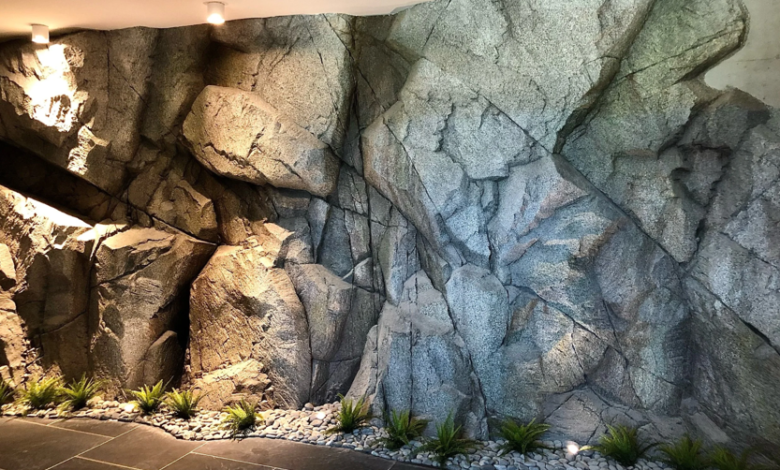
Inclusion of natural texture into home walls can be difficult while maintaining the minimalist look. Getting the balance just right requires careful design that includes integration of stone details into contemporary perspectives and architectural forms.
Key Takeaways:
- Strategic Placement & Scale: Select a single focal wall and match the stone’s texture depth to the room’s overall proportions.
- Balanced Design: Pair bold rock textures with simple surrounding finishes and complementary colour palettes to maintain clean, modern aesthetics.
- Functional Integration: Use directional raking light to highlight depth, seamlessly connecting indoor and outdoor spaces while serving as subtle room dividers.
Modern houses are characterised by smooth surfaces, huge windows, and simple colours. Nevertheless, it does not imply that these homes have to look cold at all. An idea about an appropriately designed synthetic rock wall can provide a certain warmth, texture, and feel of nature without any negative effect on the house’s architectural design.
Once it is included into the composition of the home’s structures and shapes, the impression gained from it is only positive.
This blog will outline 10 smart design tips for blending a decorative rock wall with contemporary architecture.
How to Integrate Accent Stone Walls into Modern Spaces
Modern architecture sometimes seems cold due to its heavy reliance on elements such as glass and steel, and the minimalist approach to design. The use of stone adds a feature that can serve as a visual anchor, helping to achieve a balance between modern-looking design and a warm and inviting touch.
Here are 10 design tips to get it right in 2026-
1. Pick One Feature Wall, Not Four
Contemporary design leans on negative space.
Since rock textures naturally draw attention, use them as a single statement feature in an entry wall, fireplace surround, or pool boundary. This will create a visual balance, allowing textured surfaces to stand out while the surrounding space remains clean, open, and uncluttered.
2. Match the Rock Profile to the Building’s Scale
A deep and dramatic 3D artificial rock wall suits a large facade or a double-height entry. A subtler and low-relief profile will work better on smaller interior walls or tight courtyards. Oversized texture on a small wall can overwhelm the room.
3. Choose a Stone Tone That Echoes the Existing Palette
Contemporary homes often use greys, charcoals, off-whites, and warm timbers. Choose a stone finish and training tone that sits within the palette. It includes sandstone beige for warm timber homes and slate grey for concrete-and-glass builds.
The contrast must look like an intentional design.
4. Let the Rock Wall Interrupt a Straight Line
An artificial rock wall used only to fill a flat surface can feel like added decoration. However, when it extends beyond boundaries, it becomes a part of the architecture itself. The intersections create contrast, depth, and the visual tension that makes contemporary spaces more memorable.
5. Use Texture as a Zoning Tool, Not Just Decor
Modern houses with open layouts usually require ingenious ideas in how to divide space. A rock wall will create a natural division between living room and corridor or create the zone for a lounge without putting up a wall.
It will serve as both a design statement and a functional architectural element, adding structure without sacrificing openness.
6. Bring the Wall Outside-In
Modern architecture incorporates glass panels, sliding doors, and unrestricted transition so that there is an effective merge between the indoor and outdoor functions. The extension of an outdoor rock feature into an indoor area creates a visual connection between the two spaces.
The unified design gesture will strengthen the relationship between natural surroundings and modern interiors. It adds depth, texture, and architectural harmony.
7. Keep Surrounding Finishes Simple
A decorative rock wall naturally commands attention. Therefore, the surrounding materials must create balance. Pair it with clean finishes like plain plaster, timber veneer, or polished concrete, rather than competing textures or patterns.
Giving the feature wall enough visual space will allow its character and craftsmanship to stand out without making the space feel cluttered.
See also: Do You Have a Personal Injury Case? Key Signs You Should Call a Lawyer
8. Light It Like a Sculpture, Not a Wall
Using flat lighting diminishes the effect of a decorative rock wall due to the lack of depth along with texture. In contrast, raking light reveals the stones’ natural textures, folds, and shadows.
The technique is specifically effective at night, ensuring the feature wall remains a striking architectural element after dark.
9. Think About Long-Term Weathering, Not Just Day One
A rock wall placed outdoors has to endure all adverse weather impacts over the years including sun, rain, and pool chemicals. Therefore, using fading resistant stain along with special finishes is very important when a wall has been made for outside or a pool area.
A feature wall must maintain its texture, colour, and strength over time. It protects the design investment long after the initial installation.
10. Involve Structural Input Early, Not as an Afterthought
A decorative rock wall serves a functional role. For instance, for a retaining wall, pool surround, or integrated structural features, it is essential to consider early planning with architects and engineers.
Making a full-fledged installation makes sense when defining the concept of design and determining the needed structure. Adding it as a last-minute element can compromise both performance as well as visual aesthetics.
This is where expertise makes a difference. Choose an expert in decorative rock wall installation who has a good structural background and collaborates with engineers specialising in shotcrete technology, instead of seeing the process as just another additional service.
The right experience will ensure the feature is not only visually convincing but also built for long-term performance and durability.
In Conclusion
Blending a decorative rock wall into contemporary spaces requires intentional scale, placement, and lighting.
Homeowners and designers can introduce organic warmth and depth without compromising modern, open-plan aesthetics by selecting a single statement wall, matching stone profiles to room proportions, keeping surrounding finishes simple, and utilising directional raking light.
Ready To Elevate Your Modern Space With A Textured Feature Wall?
Consult with qualified architects and structural engineering specialists early in your planning process. Professional design collaboration ensures your stone accent is visually balanced, properly illuminated, and engineered for long-term structural integrity. Contact an experienced architectural design consultant today!