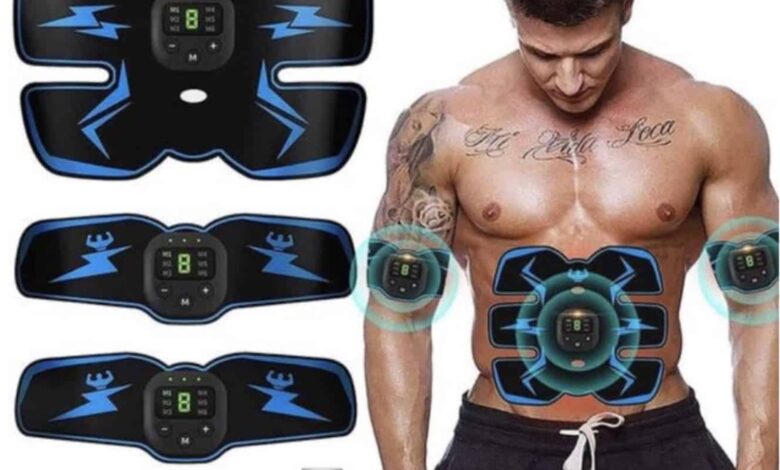
As a dedicated tennis player, I’ve always strived to improve my game and maintain peak physical condition. While my forehand and backhand were solid, I felt my core strength could use a boost. That’s when I stumbled upon the Tactical X Abs Stimulator, and let me tell you, it’s been a game-changer for my abs and overall performance on the court.
I was initially skeptical about using an electronic device for ab training, but after incorporating the Tactical X into my routine, I’ve noticed a significant improvement in my core strength and stability. Not only has it helped me achieve more defined abs, but it’s also enhanced my ability to generate power in my serves and groundstrokes.
What I love most about the Tactical X is its convenience. I can use it while reviewing match footage or even during my cool-down stretches. It’s become an essential part of my training regimen, complementing my on-court drills and gym workouts perfectly.
In this review, I’ll share my personal experience with the Tactical X Abs Stimulator, breaking down what it is, how it works, and how to use it effectively. Whether you’re a fellow tennis enthusiast or simply someone looking to strengthen your core, I hope my insights will help you decide if this device is right for you.
What is Tactical X Abs Stimulator?
The Tactical X Abs Stimulator is an electronic muscle stimulation (EMS) device designed to help tone and strengthen abdominal muscles. It uses electrical impulses to stimulate muscle contractions in the abs, aiming to enhance core strength and definition without traditional exercises.
Key features include:
- Multiple training modes and intensity levels
- Portable and lightweight design
- LED display for easy control
- USB rechargeable battery
- Made with durable materials
How Does It Work
The Tactical X Abs Stimulator works by sending low-voltage electrical impulses through gel pads placed on the skin over the abdominal muscles. These impulses cause the muscles to contract and relax, similar to what occurs during exercise. The device utilizes EMS technology, which has been used in physical therapy and sports training for decades.
According to the manufacturer, regular use of the device can lead to:
- Increased abdominal muscle strength and endurance
- Improved muscle tone and definition
- Enhanced core stability and posture
- Potential reduction in waist circumference
However, it’s important to note that while EMS devices may help strengthen muscles, they are not a substitute for a healthy diet and regular exercise regimen for overall fitness and weight loss.
How to Use Tactical X Abs Stimulator
To use the Tactical X Abs Stimulator effectively:
- Clean and dry your abdominal area thoroughly.
- Remove the plastic backing from the gel pads and attach them to the electrode areas on the back of the stimulator unit.
- Place the stimulator on your abdomen, positioning the control panel over your belly button.
- Press the power button to turn on the device.
- Use the + and – buttons to adjust the intensity level (1-15) to your comfort.
- Choose from the available pulse modes by holding the + button for 3 seconds.
- Use the device for 20 minutes per session, 1-2 times per day.
- Start with lower intensity levels and gradually increase as you become accustomed to the sensation.
For best results, combine use of the Tactical X Abs Stimulator with a balanced diet and regular exercise routine. Always follow the manufacturer’s instructions and safety precautions, and consult with a healthcare professional if you have any underlying health conditions or concerns.
What I Like About Tactical X Abs Stimulator
- Portability: I can easily toss it in my tennis bag and use it between matches or during downtime.
- Versatility: The multiple training modes allow me to target different aspects of my core strength.
- Time-efficient: I can work on my abs while doing other activities, which is perfect for my busy schedule.
- Noticeable results: After consistent use, I’ve seen a definite improvement in my ab definition and core stability.
- Easy to use: The intuitive controls make it simple to adjust intensity and choose programs.
- Comfortable: The gel pads are gentle on my skin, even during intense sessions.
- Long battery life: I can get through several training sessions before needing to recharge.
What I Don’t Like About Tactical X Abs Stimulator
- Initial discomfort: It took some time to get used to the sensation of electrical stimulation.
- Gel pad replacement: I have to replace the gel pads periodically, which adds to the overall cost.
- Not a complete workout solution: I still need to maintain a balanced diet and exercise routine for optimal results.
- Limited muscle coverage: It primarily targets the abs and doesn’t work other core muscles as effectively.
- Potential for overuse: I’ve had to remind myself not to rely on it too heavily and neglect traditional exercises.
Is Tactical X Abs Stimulator Legit?
Yes, it’s legit. As someone who’s always been skeptical of “quick fix” fitness solutions, I approached the Tactical X Abs Stimulator with caution. However, after incorporating it into my training regimen for several months, I can confidently say that it’s a legitimate tool for enhancing core strength and muscle definition.
The science behind electrical muscle stimulation (EMS) is well-established, and I’ve experienced its benefits firsthand. I’ve noticed improved endurance during long rallies and better rotational power in my shots, which I attribute to the consistent use of this device alongside my regular training.
What really convinced me of its legitimacy is the gradual but noticeable improvement in my abdominal definition. It’s not an overnight miracle worker, but with consistent use and a proper diet, I’ve seen real results. The multiple intensity levels and training modes have allowed me to progressively challenge my abs, much like I would with traditional exercises.
Moreover, the build quality and performance of the Tactical X align with what I’d expect from a reputable fitness device. It’s clear that thought has been put into its design and functionality. While it’s not a replacement for a comprehensive fitness routine, I find it to be a valuable supplement to my training, especially on days when I’m short on time or need some extra ab work.
In my experience, the Tactical X Abs Stimulator delivers on its promises when used correctly and consistently. It’s become a trusted part of my fitness arsenal, helping me stay in top form for my tennis game. You can read other Tactical X Abs reviews if you’re in doubt.
Where to Buy Tactical X Abs Stimulator?
For those interested in purchasing the Tactical X Abs Stimulator, I highly recommend visiting the Tactical X Abs official store. As a tennis player who values authenticity and quality, I’ve found that buying directly from the source is the best way to go. The official store not only offers competitive pricing but also frequently runs exclusive promotions that can help you save money on your purchase.
What I appreciate most about buying from the official store is the peace of mind it provides. You can be confident that you’re receiving a genuine product, which is crucial when it comes to fitness devices that you’ll be using on your body. Additionally, the Tactical X Abs Stimulator comes with a reliable warranty when purchased from the official store, ensuring both quality and customer satisfaction. This warranty has been a comfort to me, knowing that my investment is protected.