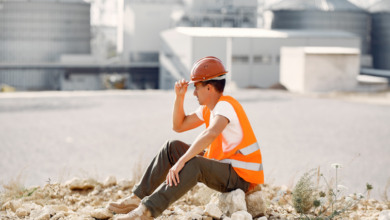
The Importance of Site Assessment and Soil Testing in Sustainable Development

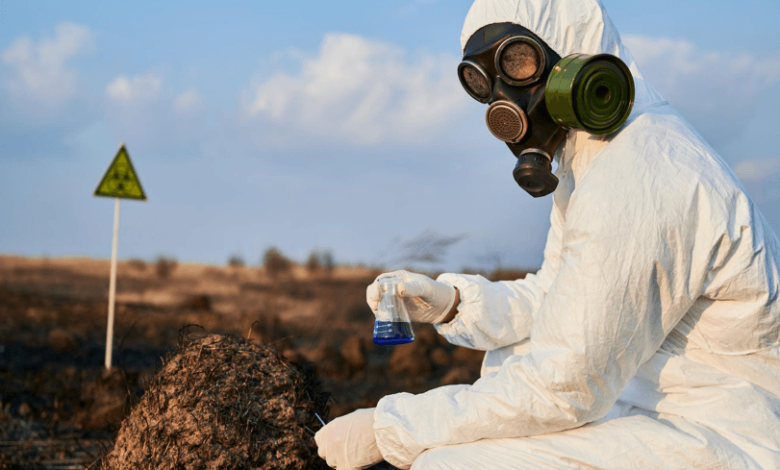
Site assessments and soil testing are the foundation of sustainable development, determining your land’s ability to support construction and drainage in a safe manner, along with its long-term environmental performance.
Key Takeaways:
- Site assessments reveal contamination risks, drainage conditions, and ground stability before construction begins.
- Soil testing measures composition, moisture, bearing capacity, and contaminants to guide safer development decisions.
- Early evaluations reduce redesigns, delays, remediation costs, and long-term environmental liability.
- Professional environmental consultants help projects meet Australian compliance and sustainability requirements more effectively.
A detailed site and soil evaluation will help you identify areas that may contain subsurface contaminants and hazardous materials and determine limits for the structural load-bearing capacity of the land. If you fail to conduct these evaluations before construction, you are exposing your project to additional risks. Furthermore, efficient site assessment and soil testing can help you protect the environment and ensure sustainable development at every step of the project, from planning through construction.
How Does Sustainable Building Start Beneath The Surface?
Most development challenges originate beneath the surface and continue to remain hidden until excavation begins. Discovering unstable soil or contamination during construction can significantly increase your development costs, while simultaneously delaying project timelines.
Sustainable development goes far beyond how buildings are designed to be energy-efficient or how to conserve nature. Every project starts with a detailed investigation into the land involved. Before any construction can take place, developers, engineers, and environmental consultants must evaluate whether a site will support its intended function and determine what hazards may exist in their environment that could interfere with the long-term success of the project.
This is where the requirements of a Site and Soil Evaluation and Soil Testing become important. Together, they generate enough detailed information to allow the developer, planner or designer to make informed planning decisions, minimise adverse effects on the environment from development and comply with Australia’s environmental regulations.
Why Is Site Assessment Considered To Be The Foundation Of Sustainable Development?
A site assessment will help you evaluate the physical, environmental, and geological characteristics of a property before any development can take place. This helps to eliminate the need for any assumptions by providing fact-based evidence that can highlight potential constraints and opportunities.
This assessment provides data on the following:
- Current environmental conditions
- Past land use
- Possible contamination risks
- Ground stability
- Drainage characteristics
- Ecologically sensitive areas
By gathering much of this information early on, your project teams can limit costly redesigns, unanticipated delays, and environmental liability.
How Is Soil Testing Critical To Responsible Land Development?
Healthy, stable soil is essential for all construction projects. With Soil Testing, you will get critical information about the physical and chemical characteristics of the soil. This information will help you evaluate whether the site is capable of supporting the new development safely.
This test typically evaluates:
- Soil composition
- Bearing capacity
- Moisture content
- pH levels
- Nutrient levels
- Detected contaminants
If the testing reveals any contaminants in the soil, you can put an appropriate remediation strategy into place before construction, reducing future environmental and financial risks.
What Are The Key Benefits Of Site Assessment & Soil Testing?
Some of the most valuable advantages of site assessment & Soil Testing include the following:
| Assessment Activity | Purpose | Benefit for Sustainable Development |
| Site and Soil Evaluation | Identifies environmental and geological site conditions. | Supports informed planning and reduces project uncertainty. |
| Soil Testing | Assesses soil quality, composition, and contamination levels. | Ensures safe and suitable conditions for development. |
| Contamination Assessment | Detects pollutants from previous land uses. | Protects human health and the surrounding environment. |
| Ground Stability Analysis | Evaluates subsurface conditions. | Reduces structural risks and costly engineering changes. |
| Environmental Risk Assessment | Identifies potential environmental impacts. | Supports regulatory compliance and sustainable land management. |
| Ongoing Monitoring | Tracks environmental conditions throughout the project life. | Helps maintain long-term environmental performance. |
Table: Site Assessment and Soil Testing Benefits
How Can Site and Soil Evaluation Help You With Environmental Compliance?
Australian development projects must follow environmental regulations in order to protect the land, water, and adjacent ecosystems. Environmental assessments and soil testing provide the technical data that will demonstrate compliance of the project throughout the planning and approval stages.
Professional environmental consultants also assist developers in finding out the regulatory requirements, interpreting technical findings, and developing site-specific environmental management strategies. Professional businesses like SERS provide a full range of integrated environmental consulting services, including Site and Soil Evaluation, contaminated land investigations, Soil Testing, environmental monitoring, and remediation planning. With such multidisciplinary services, you can easily identify environmental threats and achieve your sustainable development goals.
See also: How the Right Digital Marketing Agency Can Drive Sustainable Business Growth
Summing Up: Sustainable Development Depends On Better Site Knowledge
Successful development takes place well before the construction equipment reaches the site. Whenever you understand property, site characteristics, and geotechnical information, you will be better equipped to design your construction project to be smartly planned and safely constructed for more sustainable land use.
Your investment in professional site assessments and soil testing will help you reduce project uncertainty and minimise environmental impacts. This will ensure that your constructions remain safe, compliant, and resilient for years to come.
Are You Planning a Development Project?
Start with a Comprehensive Site Assessment. Partner with an experienced environmental consultant to identify potential risks early and ensure sustainable development on a strong foundation.