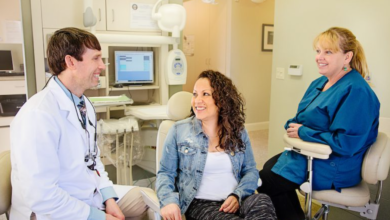
Your smile shapes how you move through each day. When you hide it, you often pull back from people, chances, and simple joys. Cosmetic dentistry does more than change how your teeth look. It changes how you feel about yourself. It can ease long held shame, quiet constant worry, and help you show up with more strength. A dentist in Gates, NY can close gaps, repair chips, and brighten stains. Yet the deeper change often happens in your mind and your body. You may speak up more. You may eat without fear of pain. You may sleep better. This care is not about chasing perfection. It is about restoring comfort, balance, and trust in your own face. When you understand what cosmetic dentistry really offers, you can decide with clear eyes and a steady heart.
How Your Smile Affects Daily Life
Your mouth is one of the first things people see. It shapes how others read your mood and your honesty. If you feel uneasy about your teeth, you might cover your mouth, avoid photos, or stay quiet in groups. Over time, this can wear down your confidence.
Research shows a clear link between oral health and how you feel. The Centers for Disease Control and Prevention explains that poor oral health can affect speech, eating, work, and social life.
Cosmetic dentistry helps you show your natural self. You do not need to think about hiding. You can laugh, talk, and eat without constant worry about how your teeth look.
Cosmetic Dentistry and Your Health
Many cosmetic treatments also support basic health. They can improve how you chew, clean, and protect your teeth. This can lower the chance of future problems and costs.
Here are three common treatments and how they help more than your looks:
- Bonding and fillings. These can fix chips and cracks. They also seal weak spots so food and germs do not get in.
- Crowns and veneers. These can change shape and color. They also cover worn teeth and support your bite.
- Aligners or braces. These can straighten teeth. They also make brushing and flossing easier and can reduce jaw strain.
The National Institute of Dental and Craniofacial Research shares that untreated oral problems can lead to pain, infection, and trouble eating.
See also: Corporate Offsites & Team Retreats: Simplify Your Transport Planning
Emotional Benefits You May Notice
When you feel safe showing your teeth, many parts of life can shift. These changes may seem small at first. Over time, they build real strength.
You may notice three clear gains:
- More comfort in social situations. You might speak up at work or school. You might join family photos without fear.
- Less daily stress. You no longer scan mirrors or worry about what others see when you smile.
- Greater self respect. You treat your mouth as something worth care and time. That choice can spread to other habits.
These changes support mental health. They can help you feel more in control and less trapped by old shame.
Physical Changes That Go Beyond Looks
Cosmetic care can also improve how your mouth works. That function matters for eating, speaking, and sleep.
Here are three examples:
- Better chewing. Replacing worn or missing teeth can help you eat a wide range of foods. This can support better nutrition.
- Clearer speech. Fixing front teeth or closing gaps can improve how you form sounds.
- Jaw comfort. Adjusting your bite can reduce clenching and some types of jaw pain.
These changes protect you from pain that can drain your energy and mood.
Common Cosmetic Treatments and Their Wider Benefits
| Treatment Type | Main Change | Extra Health Benefit | Possible Emotional Effect |
|---|---|---|---|
| Teeth whitening | Removes stains and brightens teeth | Often done after cleaning, which lowers plaque | You may smile more in public |
| Bonding for chips or gaps | Repairs small flaws in shape | Protects weak edges from more damage | You may feel less need to hide your mouth |
| Crowns | Covers and reshapes damaged teeth | Restores strength for chewing | You may trust your teeth when you eat |
| Veneers | Creates even color and shape | Shields the front of worn teeth | You may feel more at ease in photos |
| Aligners or braces | Straightens crowded or spaced teeth | Makes brushing and flossing more effective | You may feel more steady when speaking |
| Implants or bridges | Replaces missing teeth | Stops nearby teeth from shifting | You may regain comfort when eating with others |
How to Talk With Your Dentist About Cosmetic Care
You do not need to know which treatment you want. You only need to know what bothers you and what you hope to change. A clear talk with your dentist can guide the rest.
You can prepare by writing three short lists:
- What you dislike about your teeth or smile
- What you fear most, such as pain, cost, or time
- What a better smile would let you do, such as eat certain foods or speak with ease
Bring these notes to your visit. Ask your dentist to explain each option in plain language. Ask about safety, steps, and care after treatment. You deserve clear answers.
Setting Realistic Expectations
Cosmetic dentistry can bring great change. Still, it has limits. No smile is perfect. Your teeth will age. They may stain again if you smoke or drink dark drinks. Crowns and veneers can chip. Aligners only work if you wear them as advised.
You will get the best results when you:
- Keep daily brushing and flossing
- See your dentist for routine checkups and cleanings
- Protect your teeth from grinding and sports injuries
Healthy habits are the base. Cosmetic care builds on that base. It does not replace it.
Supporting Children and Teens
Teeth can affect how children feel about themselves. Crooked or stained teeth can draw teasing. That hurt can last. Yet choices for children and teens must be careful. Their mouths are still growing.
You can support them in three simple ways:
- Listen when they talk about their teeth or smile
- Ask their dentist which changes are safe at their age
- Focus on health and function, not on looking perfect
When you frame treatment as care, not as a fix for flaws, you help them build strong self-respect.
Choosing What Feels Right for You
Cosmetic dentistry is a personal choice. It is not about pressure from others. It is about how you want to live in your own body. If a chipped tooth or dark stain keeps you quiet, you do not need to accept that. Change is possible.
When you weigh your options, think about three questions. What bothers you most today? What change would ease that burden? What level of cost and time feels fair to you? Your answers can guide a plan that fits your life.
Your smile is part of how you show your story. With the right care, it can reflect your strength, not your fear. That change reaches far beyond the mirror.