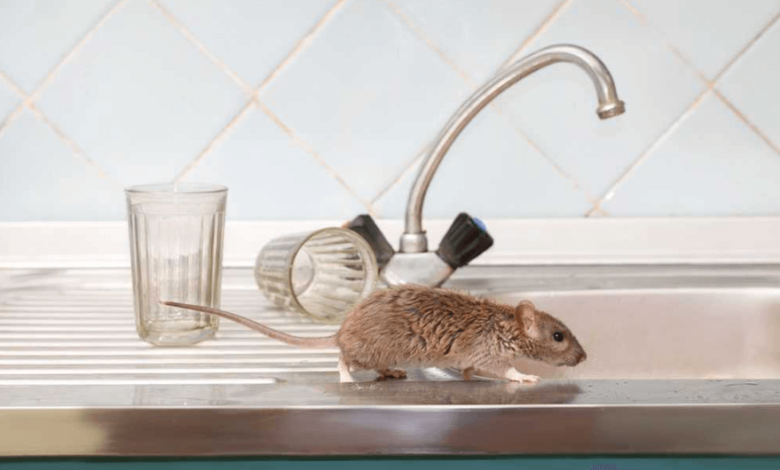
Mice infestations are a common problem that can lead to property damage and health risks. Effective pest control for mice involves identifying infestation signs, sealing entry points, and employing appropriate trapping or removal methods. The key to managing a mice problem is thorough elimination combined with preventive measures to keep them from returning.
Since mice reproduce quickly and are adept at hiding, addressing the issue early is crucial. Professional pest control services often provide the most reliable removal, but there are also practical steps homeowners can take to reduce attraction and block access. Understanding the behavior and habits of mice helps in choosing the right control strategies.
Successful pest control requires ongoing attention to cleanliness, maintenance, and monitoring for new signs of activity. By combining expertise with consistent preventive actions, one can maintain a mice-free environment effectively and safely.
Effective Mice Pest Control Methods
Effective pest control mice services involves pinpointing where and how they infest, stopping their entry and reducing attractants, and using targeted trapping and baiting methods. Addressing these areas systematically improves the chance of managing and eventually eliminating a mouse problem.
Identifying Mouse Infestations
Signs of a mouse infestation include droppings, gnaw marks, and unusual sounds such as scratching in walls or ceilings, especially at night. Nesting materials like shredded paper or fabric often appear near hidden corners, behind appliances, or inside cupboards.
Mice leave trails of urine that can create a distinctive, musky odor. Damage to stored food packages and evidence of gnawing on wiring or insulation are also important red flags. Early detection allows for quicker intervention before infestations grow larger.
See also: Transform Your Child’s Learning Experience with an Expert In-Home Tutor in Fremont
Preventive Measures for Mouse Control
Preventive steps focus on making the environment less inviting for mice. This includes sealing entry points such as cracks and gaps around doors, windows, and foundations with materials like steel wool or caulking.
Food should be stored in airtight containers and garbage must be secured regularly. Reducing clutter provides fewer hiding spots. Removing excess moisture and cleaning carefully in areas like the kitchen and garage limit access to food and water, breaking key survival needs for mice.
Trapping and Baiting Techniques
Multiple trap options exist, including snap traps for quick kills, live traps for catch-and-release, and electronic traps. Placement is critical—traps work best along walls, near known entry points, or where droppings are found.
Baits should be chosen carefully, using peanut butter or grains which are highly attractive to mice. Some tactics combine traps with deterrents like peppermint oil. Poison baiting can be effective but poses risks to pets and children and is best handled by professionals.
Using a combination of traps and baits often yields the best results, especially when continuously monitored and adjusted as needed.
Long-Term Mice Management Solutions
Effective long-term control involves sealing entry points, maintaining strict cleanliness, and knowing when professional help is necessary. These steps reduce mouse access and food sources, making the environment less attractive to rodents.
Rodent-Proofing Your Home
Sealing all gaps and holes larger than 6mm is critical, as mice can enter through very small openings. Common areas for entry include gaps around pipes, vents, doors, and windows. Use materials like steel wool, metal mesh, or caulk to block these points.
Doors and windows should fit tightly and have weather stripping. Attics, basements, and crawl spaces require thorough checks and reinforcement. Regular inspection and repair of structural vulnerabilities prevent re-infestations.
Sanitation Best Practices
Eliminate all potential food sources by storing food in sealed containers, especially grains and pet food. Clean kitchen counters, floors, and pantry shelves regularly to remove crumbs and residues. Garbage should be stored in bins with secure lids and emptied frequently.
Removing clutter, especially cardboard and paper, reduces nesting material. Keep yards tidy by trimming plants and removing debris. This denies mice shelter close to the home.
When to Call Professional Pest Control
If signs of infestation persist despite DIY efforts or multiply rapidly, professional intervention is warranted. Pest control companies use a combination of bait stations, traps, and rodenticides tailored to the situation.
Professionals also implement Integrated Pest Management (IPM), including monitoring and prevention strategies. They can identify hidden entry points and contamination risks in kitchens or storage areas, ensuring a thorough approach. Their expertise helps avoid risks to pets and children.