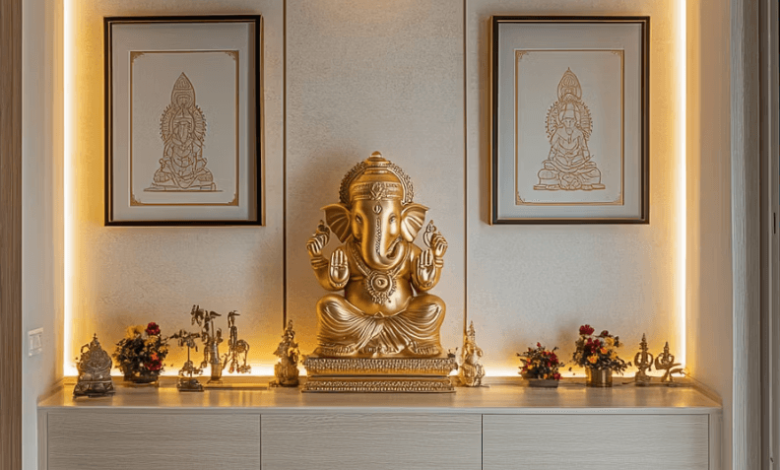
Creating a serene and aesthetically pleasing pooja room is a wonderful way to bring positivity and spiritual energy into your home. Among all the elements that define a pooja space, the Ganesha idol holds a special place. Known as the remover of obstacles and the harbinger of good fortune, Lord Ganesha is worshipped at the beginning of every auspicious event. Choosing the right Ganesha idol can elevate your pooja room decor while enhancing the spiritual ambiance.
Why a Ganesha Idol is Essential in Your Pooja Room
Ganesha is revered across India and worldwide for his wisdom, prosperity, and ability to clear obstacles. Placing a Ganesha idol in your pooja room is not only a spiritual practice but also an important element of home decor. The idol becomes the focal point of the space, and its design, size, and material can significantly influence the overall look and feel of the room.
Choosing the Right Ganesha Idol for Your Home
Selecting a Ganesha idol involves more than just picking a figure that looks beautiful. The material, posture, and size of the idol all play a role in enhancing your pooja room.
- Material Matters: Ganesha idols are available in various materials including brass, marble, wood, resin, and clay. Brass and marble idols are perfect for traditional settings, while resin and wood options can complement modern interiors. Choosing a durable and high-quality material ensures that your idol remains a cherished centerpiece for years to come.
- Size and Placement: The size of your Ganesha idol should match the dimensions of your pooja room. Smaller idols are ideal for compact spaces, while larger statues make a bold statement in spacious pooja rooms. Always place the idol at an elevated level and ensure it faces east or north to align with Vastu principles.
- Design and Detailing: Detailed craftsmanship can add elegance to your pooja room. Intricate designs on Ganesha idols create a sense of devotion and artistry, making the space feel vibrant and sacred. Modern designs with minimalist aesthetics are also available for contemporary homes, blending spirituality with style seamlessly.
See also: Best Reasons To Hire A Tent For Your Upcoming Event In Houston
Decorating Around Your Ganesha Idol
Once you have chosen the perfect Ganesha idol, the next step is decorating your pooja room to enhance its spiritual aura. Here are some ideas:
- Lighting: Proper lighting can highlight your Ganesha idol beautifully. Soft LED lights, diyas, or candles placed around the idol create a warm and inviting atmosphere.
- Floral Arrangements: Fresh flowers like marigold, jasmine, and roses not only add color but also infuse the room with fragrance. Flower garlands around the idol can enhance its divine presence.
- Background Decor: A well-chosen backdrop can make your idol stand out. You can use decorative panels, fabrics, or artistic wall hangings that complement the idol without overwhelming it.
- Accessories: Brass lamps, incense holders, and small decorative elements placed around the Ganesha idol complete the pooja room setup, making it visually appealing and spiritually fulfilling.
Incorporating Ganesha Idols from Lovenspire
For those looking for high-quality and beautifully crafted Ganesha idols in the USA, Lovenspire offers a curated selection that combines artistry with devotion. Each piece is designed to enhance your pooja room while reflecting traditional and contemporary aesthetics. From elegant brass statues to intricate resin idols, Lovenspire ensures that every Ganesha statue becomes a cherished centerpiece in your spiritual space.
Shopping from Lovenspire allows you to bring home Ganesha idols that are not only decorative but also spiritually meaningful. Their collection is perfect for creating a pooja room that radiates positivity, serenity, and elegance.
Maintaining the Spiritual Vibe
Once your pooja room is set up with a stunning Ganesha idol, maintaining its sanctity is important. Regular cleaning of the idol and the surrounding area ensures a fresh and inviting space. Use clean cloths for dusting and avoid harsh chemicals that can damage the idol’s finish. Replacing flowers daily and lighting incense or diyas during pooja enhances the room’s spiritual energy.
Conclusion
Transforming your pooja room with a beautiful Ganesha idol is a step toward creating a serene and spiritually vibrant home. The right idol, along with thoughtful decoration, lighting, and accessories, can turn a simple corner into a divine sanctuary. For those in the USA looking to elevate their pooja room decor, Lovenspire provides a remarkable selection of Ganesha idols that blend tradition with modern elegance. Invest in a stunning Ganesha idol today and experience the harmony and positive energy it brings to your home.