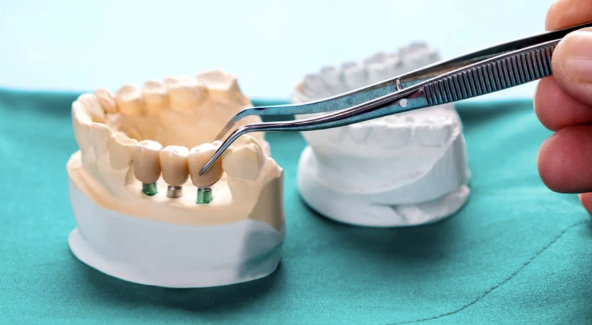
Guided surgery changes how you plan and place implants. You use digital scans and 3D images to see bone, nerves, and tooth roots with clear detail. Then you follow a computer made guide during surgery. This guide helps you place each implant in the planned spot, at the planned angle, and to the planned depth. As a result, you reduce guesswork. You protect nearby teeth and nerves. You also improve the fit and strength of the final tooth. For patients who search for dental implants Queens, guided surgery offers a safer and more controlled experience. You can often shorten chair time. You can limit swelling and soreness. You also gain more predictable healing. This blog explains how guided surgery works, why it improves accuracy, and how it supports better long term results.
What Guided Implant Surgery Means For You
Guided surgery starts with a clear goal. You and your dentist plan the final tooth first. Then you work backward to place the implant in the right spot to support that tooth.
You first receive a 3D scan of your mouth called a CBCT scan. It shows bone height, bone width, and the position of nerves and sinuses. The dentist then combines this scan with a digital model of your teeth. You can see the whole mouth on a screen.
The dentist uses this image to choose
- The number of implants
- The size and shape of each implant
- The exact spot and angle for each implant
Next, a lab or office printer makes a clear guide that fits over your teeth or gums. During surgery, the drill passes through small sleeves in this guide. That guide helps the dentist follow the plan with strict accuracy.
Why Precision Matters For Dental Implants
Implants must connect with bone. They also must avoid nerves and sinuses. Small errors can cause pain, numbness, or weak teeth. Precise placement gives you a stronger bite and a cleaner smile.
Guided surgery supports precision in three ways.
- You see more. 3D scans show the full depth and width of bone that 2D X-rays miss.
- You plan more. Software lets the dentist test angles and sizes before touching your mouth.
- You follow the plan. The guide keeps the drill aligned, even in tight or hard-to-see spots.
The National Institutes of Health explains how CBCT scans give accurate views of jaw structures that standard X-rays cannot match.
Guided Surgery And Traditional Freehand Surgery
Many patients ask how guided surgery compares with freehand surgery. Freehand means the dentist relies on training, experience, and 2D X-rays. Guided surgery adds digital planning and a physical guide.
The table below shows key differences.
| Factor | Guided Implant Surgery | Freehand Implant Surgery |
|---|---|---|
| Planning method | 3D scan with digital plan and surgical guide | 2D X rays and visual judgment |
| Placement accuracy | High, within planned angle and depth | Varies with case difficulty and skill |
| Protection of nerves and sinuses | Improved due to 3D mapping | More risk in thin bone or complex jaws |
| Surgery time | Often shorter once guide is made | Can be longer in complex cases |
| Need for large incisions | Often smaller incisions | Often larger flap to see bone |
| Post surgery soreness | Often reduced due to smaller cuts | Can be stronger, linked to tissue size |
| Predictability of final tooth | High, implant matches planned crown | More chair-side adjustment may be needed |
How Guided Surgery May Improve Healing
Guided surgery often lets the dentist use smaller cuts in the gums. In some cases, the dentist can place the implant through a small punch in the tissue. Smaller cuts can feel less sore. They can also reduce bleeding and swelling.
When the implant sits in the right depth and angle, chewing forces spread more evenly. That helps the bone heal around the implant. It also helps the implant last longer.
The Centers for Disease Control and Prevention notes that strong bones and healthy gums support long-term oral health.
Who Can Benefit Most From Guided Implant Surgery
Guided surgery can help many patients. It can be especially useful if you have
- Limited bone height near the sinus
- Nerves close to the planned implant site
- Missing several teeth in a row
- A full mouth of failing teeth that need many implants
Children rarely receive implants because their jaws still grow. Teenagers and adults who have finished growth and have enough bone are common candidates. Your dentist will check growth, health history, and gum status before any plan.
See also: A Comprehensive Guide to TBS Bus Tickets
What To Expect During Guided Implant Treatment
You can break the process into three clear steps.
First, you attend a planning visit.
- You receive a 3D scan and mouth pictures.
- You talk about your goals for chewing and appearance.
- The dentist designs the digital plan and orders or prints the guide.
Next, you return for surgery.
- The dentist checks the guide fit.
- You receive numbing medicine for comfort.
- The dentist places the implant through the guide.
Last, you heal and receive the final tooth.
- Bone heals around the implant over several months.
- You may wear a temporary tooth during healing.
- Then the dentist connects the final crown or bridge.
Questions To Ask Your Dentist About Guided Surgery
You have the right to clear answers. You can ask
- Do you use guided surgery for my case?
- What scans will you take and why
- How will the guide protect my nerves and sinuses
- How many guided cases have you completed
- What should I expect in pain, swelling, and healing time
These questions keep you informed. They also help you feel calmer and more prepared.
Taking The Next Step
Guided implant surgery uses clear planning and controlled steps. You gain precise placement, shorter visits, and a stronger base for your new teeth. When you understand how the guide and scans work, you can make a confident choice for your mouth and your health.