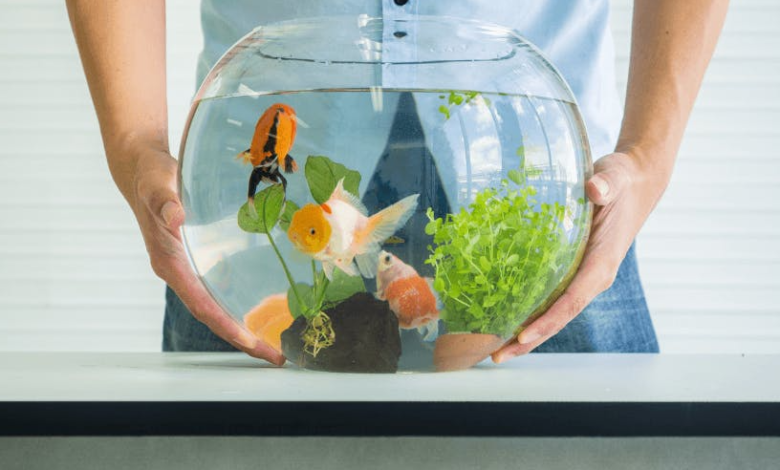
Setting up an aquarium filled with colorful tropical fish is a rewarding experience, but adding new fish to an established tank requires careful attention. Even minor changes can disrupt the delicate balance of your aquarium’s ecosystem. It’s important to present your aquatic pets the right way to keep them healthy and stress-free. Whether you’ve just found beautiful tropical fish for sale or received a few new species from another aquarist, taking the right steps ensures a smooth transition for both the newcomers and your existing fish community.
Understand Your Tank’s Balance
Every aquarium functions as a miniature ecosystem with its own water chemistry, biological balance, and social hierarchy among the fish. Before introducing new tropical fish, test your tank’s parameters such as temperature, pH, ammonia, nitrite, and nitrate levels. Most tropical fish thrive in temperatures between 24°C and 28°C with a stable pH around 6.8 to 7.5. Keeping these numbers consistent helps prevent stress and health issues for all the inhabitants.
If your tank already houses fish, take note of their behavior and ensure they’re not showing signs of illness. Introducing new fish to an already stressed or sick population can worsen problems and lead to disease outbreaks.
Quarantine New Arrivals
One of the most important yet often overlooked steps is quarantining new fish. Even when you purchase from trusted stores offering tropical fish for sale, it’s wise to isolate your new arrivals for at least two weeks. Use a separate quarantine tank with similar water conditions to your main aquarium. This period allows you to monitor for parasites, infections, or unusual behavior.
During quarantine, feed your fish a nutritious diet and observe their eating habits. Any sign of clamped fins, spots, or erratic swimming may indicate health issues that need attention before they join the main tank. Quarantine not only protects your existing fish but also gives new ones time to recover from the stress of travel.
Match Water Conditions Carefully
Sudden changes in water conditions are one of the biggest causes of stress in tropical fish. To minimize shock, use the floating bag method. Place the sealed bag containing your new fish into the aquarium for about 15 to 20 minutes to let the water temperatures equalize. Then, gradually add small amounts of your tank’s water into the bag every five minutes for the next 30 minutes.
This slow acclimation helps your new fish adjust to differences in pH, hardness, and temperature. Once acclimated, gently net the fish out of the bag and place them in the tank without adding the store’s water, as it may contain impurities or unwanted microorganisms.
Reduce Stress During Introduction
The environment in your tank plays a big role in how smoothly your new fish settle in. Turn off the aquarium lights before adding them. Dim lighting helps reduce anxiety and aggression from established tank mates. Rearranging some decorations, rocks, or plants can also help break up territories and minimize territorial disputes.
Avoid feeding the fish immediately after introducing new ones. Wait a few hours or until the next day to ensure they have time to adjust. Feeding too soon may lead to competition or stress-related refusal to eat.
See also: How to Plan a Luxury Home Build That Fits Your Lifestyle
Monitor Behavior Closely
For the first week, keep a close eye on your aquarium. Look for signs of aggression, hiding, or erratic swimming. Some chasing and exploring are normal, but if you notice continuous bullying or injuries, consider using a tank divider or separating the affected fish temporarily.
You can keep things calm and problem-free by keeping an eye on things on a regular basis. Continue testing your water parameters and performing partial water changes to keep the tank stable.
Final Thoughts
Introducing new tropical fish is exciting, but patience and care are key to maintaining harmony in your aquarium. Always research the compatibility of species before mixing them, and never rush the acclimation process. By following these careful steps, you’ll ensure that every new addition thrives in its new home—creating a vibrant and stress-free underwater community that reflects the beauty and serenity of the world’s most colorful aquatic life.