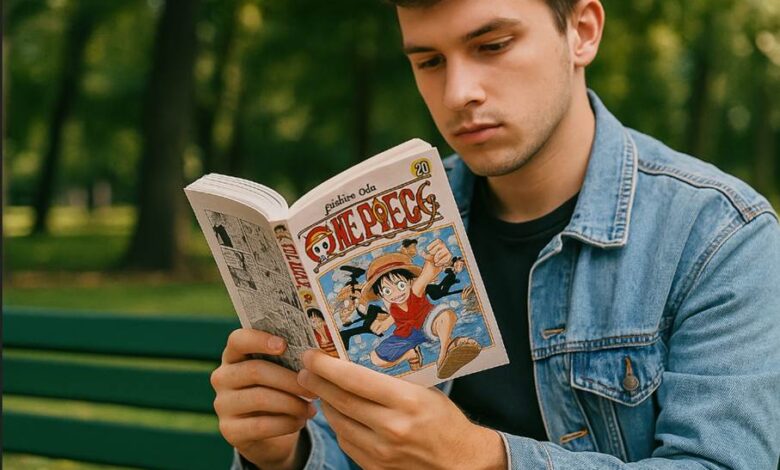
Few stories in anime or manga history manage to blend epic adventures with soul-shaping philosophies like One Piece. Beyond its vast oceans, bizarre islands, and unforgettable characters, lies a treasure far more valuable than the legendary One Piece itself: a profound message that speaks to anyone chasing their own dream. In a world bursting with anime figures, shonen tropes, and power-ups, One Piece has carved a unique path one anchored in friendship, resilience, and human values. This article dives deep into the core of what makes this manga more than just a pirate tale. Whether you’re new to the series or already halfway to Raftel, you’ll uncover here what truly makes One Piece unforgettable: its moral compass.
The ultimate treasure isn’t gold it’s freedom and loyalty
In a world obsessed with treasure, it’s ironic that the One Piece may not even be a pile of gold. What Eiichiro Oda crafts instead is a narrative where the real prize is the freedom to live on your own terms an ideal echoed by Luffy at every turn. From the very beginning, Luffy’s unwavering dream isn’t about ruling, but about sailing the seas with his chosen family, on his own rules, answering to no one. The Straw Hat Pirates, each scarred by painful pasts, find strength not in riches or power, but in belonging. Each new member doesn’t join for treasure they join because Luffy offers something purer: acceptance, purpose, and a shared direction. It’s not accidental that fans looking to learn more about One Piece often find themselves drawn to the One Piece figures because these characters stand as totems of values people aspire to.
Throughout the arcs from Arlong Park’s cry for liberation, to Alabasta’s plea for peace, to Enies Lobby’s defiance of a corrupt government Oda drives home one point: freedom isn’t just a pirate’s dream, it’s a basic human right. The One Piece world is full of authoritarian powers, like the Celestial Dragons or the World Government, which reflect real-world imbalances. And yet, Luffy’s flag isn’t about conquest it’s a symbol of liberation. His belief system isn’t complex: trust your crew, never betray your friends, and fight for what you believe in even when the odds are impossible. And this consistency, more than any fight scene, is what makes him magnetic.
See also: How Digital Calculators Are Transforming Mathematics Education
Why friendship in One Piece goes beyond typical anime bonds
One Piece may be a shonen manga, but it redefines the concept of friendship in ways most titles in the genre barely scratch. It’s not just about “nakama” as a trope; it’s about real trust, forged through trials, loss, betrayal, and growth. Think of Nami’s arc, where Luffy doesn’t try to save her with words he simply places his hat on her head and walks to war. No need for explanation. His actions tell her: “You’re not alone anymore.” This level of loyalty forms the beating heart of the series, inspiring countless fans who browse anime figures looking to bring those connections to life. And that’s the thing One Piece doesn’t tell you what friendship is, it shows it in visceral, emotional, and often heart-wrenching ways.
When Usopp challenges Luffy over the Going Merry, it’s not just about a ship it’s about pride, identity, and growing pains within a found family. This metaphor of a broken ship becomes a mirror of real-life dilemmas: when to let go, when to fight, and when to change. Luffy doesn’t hate Usopp. He cries. This emotional maturity is what separates One Piece from being just a fun ride. These characters are growing, adapting, and dealing with the very dilemmas we all face in life loyalty, identity, grief, and hope. You’re not just watching pirates sail you’re watching people learn how to be human.
The value of dreams: Why chasing the impossible matters
Luffy’s refusal to let go of his dream, even when it seems ridiculous, embodies one of the strongest messages in the series: it’s better to die for your dream than to live without one. Each crew member carries a goal that feels impossible Sanji wants to find the All Blue, Robin seeks the truth of the Void Century, Chopper wants to cure any disease. They’re all chasing legends, and that’s the point. One Piece teaches that chasing a dream gives meaning to life. Even when the world says “you can’t,” Luffy simply replies, “I will.” That relentless spirit echoes in every major arc, reminding fans why One Piece character development resonates so deeply.
Dreams as metaphors for identity
These dreams aren’t just ambitions they’re metaphors for the characters’ inner truths. Zoro’s vow to be the best swordsman isn’t about titles it’s a way to honor a childhood promise. Chopper’s quest isn’t for fame it’s born from rejection and the longing to heal. In that sense, dreams in One Piece aren’t optional they are essential to identity.
Why dreaming is a form of resistance
When the World Government silences history, or Marines enforce injustice, dreaming becomes a form of rebellion. Luffy and his crew don’t just sail for themselves they sail against a world trying to limit what people can be. And that’s what makes One Piece revolutionary. It’s not just fun it’s radical.
What makes the villains of One Piece reflect real-world power structures
The true genius of One Piece lies in its villains. They’re not just evil for the sake of drama. Crocodile, Enel, Doflamingo they each represent different corrupt systems. Whether it’s political control, religious manipulation, or economic greed, these antagonists aren’t cartoonishly bad they are frighteningly real. And that’s intentional. Oda uses the villains as metaphors to show how power can rot from the inside. It’s no coincidence that many arcs feature oppressed citizens fighting back. These aren’t just fights they’re revolutions wrapped in shonen packaging. The series critiques:
- authoritarianism
- social injustice
- censorship
- economic disparity
- racism and discrimination
Whether it’s the Fishman Island arc challenging racism or Dressrosa exposing media manipulation, Oda crafts narratives that are eerily aligned with modern issues. And yet, One Piece never loses its optimism. That balance dark themes with hope makes it not only entertaining but deeply moving.
Why One Piece connects across generations
One reason One Piece resonates worldwide is its timeless values. While newer fans discover it through TikTok clips or streaming sites, others have grown up with it since the early 2000s. This intergenerational appeal comes from a story that taps into something deeper: a belief in human potential. Whether you’re 14 or 40, One Piece reminds you that you can change your fate, that you can find your tribe, and that your voice matters even in a world trying to silence it. It’s not about nostalgia. It’s about empowerment. Many fans ask themselves, “is One Piece worth watching?” The answer is yes because it’s not just a story. It’s a philosophy wrapped in adventure, where every laugh, every tear, and every punch means something. This isn’t just anime it’s an odyssey.
Last thoughts on One Piece’s moral compass
One Piece doesn’t hand you a moral it lets you live it through the Straw Hat crew. It’s a story about finding your place, protecting what matters, and standing tall even when the world says you shouldn’t. If you’re wondering what One Piece really teaches, here’s the truth: you don’t need a treasure map to find value in your life. Sometimes, the real adventure is learning to believe in yourself, no matter the storm.