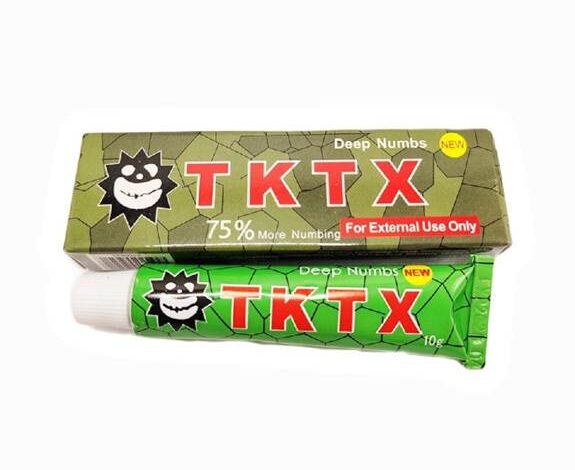
You walk into a pharmacy or browse online looking for a numbing cream. The shelves show dozens of options. 4% lidocaine. 5% lidocaine. 10.56% lidocaine with prilocaine. The percentages confuse most people. Higher seems better, right? More numbing power means less pain.
But that’s not how it works. The wrong strength can leave you either under-numbed and suffering through a procedure, or over-numbed with side effects you didn’t bargain for.
The percentage on the label of the numbing cream tells you more than just strength. It tells you what your skin can handle and what’s legal to buy without a prescription.
What the Percentage Actually Means
The percentage refers to the concentration of the active numbing ingredient in the total formula. A 5% lidocaine cream contains 5 grams of lidocaine per 100 grams of cream. The rest are the base ingredients. Things like petroleum jelly, water, emulsifiers, and preservatives. These help the lidocaine penetrate your skin without causing irritation.
So a 4% cream isn’t automatically weaker than a 10% cream. The base formula affects how well your skin absorbs the active ingredient. A well-formulated 4% cream might numb better than a poorly made 10% product. Percentage tells part of the story. Not the whole thing.
See also: RAV4s for Sale in Houston: Find the Perfect Toyota SUV for Your Lifestyle
Common Strength Options and Their Uses
4% to 5% lidocaine works for most cosmetic procedures like tattoos, laser hair removal, dermal fillers, and microneedling. The numbing effect is enough to take the edge off pain without eliminating sensation completely.
You’ll still feel pressure and some discomfort. But the sharp, intense pain gets muted to a manageable level. Most people find this acceptable for procedures lasting up to two hours.
10% lidocaine combinations typically include other anesthetics like prilocaine or tetracaine. The stronger formula provides more complete numbing. You might lose almost all sensation in the treated area. That sounds appealing until you realise stronger formulas also carry a higher risk of adverse reactions.
Why More Isn’t Always Better
Your skin can only absorb so much lidocaine at once. Think of it like a sponge under a running tap. Once the sponge is saturated, extra water just runs off the sides. Same with your skin and numbing agents. There’s a saturation point. Applying a 15% cream when a 5% cream would already saturate your nerve endings doesn’t give you three times the numbing. It gives you three times the lidocaine circulating in your bloodstream with nowhere useful to go.
That excess lidocaine has to get processed by your liver. Your heart pumps it around your body. Side effects become more likely without any gain in numbing effect at the treatment site.
The sweet spot sits somewhere between enough to numb properly and not so much that you’re pushing into dangerous territory. For most people on most procedures, that’s the 4% to 5% range with proper application technique.
How Combination Creams Work
Some creams list multiple active ingredients. 4% lidocaine plus 4% prilocaine. Or lidocaine with benzocaine and tetracaine.
These combinations work on slightly different nerve receptors. Together, they can provide more complete numbing than a single ingredient at a higher concentration. The percentages add up, but the effect is often better than the sum of its parts.
Combinations also let manufacturers keep individual ingredient percentages lower. This reduces the risk that any single component will cause a reaction. Some people tolerate lidocaine well but react to benzocaine. A combination cream with lower amounts of each gives them options.
Reading Labels for Safety Information
The percentage is just one number on the label. You need to check several things before buying any numbing cream.
TGA approval or compliance with Australian standards. If the product is imported and doesn’t mention TGA, you’re taking a chance on what’s actually in the tube.
The total recommended dose tells you how much cream you can safely apply in one session. This varies based on the percentage and the size of the area you’re treating. A 5% cream might limit you to a thin layer over 100 square centimetres.
Maximum application time prevents you from leaving the cream on too long. Most products specify 60 to 90 minutes as a maximum. Beyond that, you increase absorption without increasing benefit.
When Higher Percentages Become Necessary
Some people simply don’t respond well to standard-strength numbing cream. Their skin is thicker, their nerve density is higher, or their pain threshold is lower.
After trying proper application technique with 5% lidocaine and still experiencing significant pain, prescription-strength options make sense. But that’s a conversation to have with a doctor, not a decision to make by ordering random high-percentage creams online.
Making the Right Choice
Start with the lowest effective strength for your procedure type. Most people find that 4% to 5% lidocaine handles their needs without pushing into problematic territory.
If that doesn’t work after proper application, consider combination creams before jumping to higher single-ingredient percentages. Getting a doctor’s evaluation also protects you from underlying conditions that might make high-strength numbing dangerous.