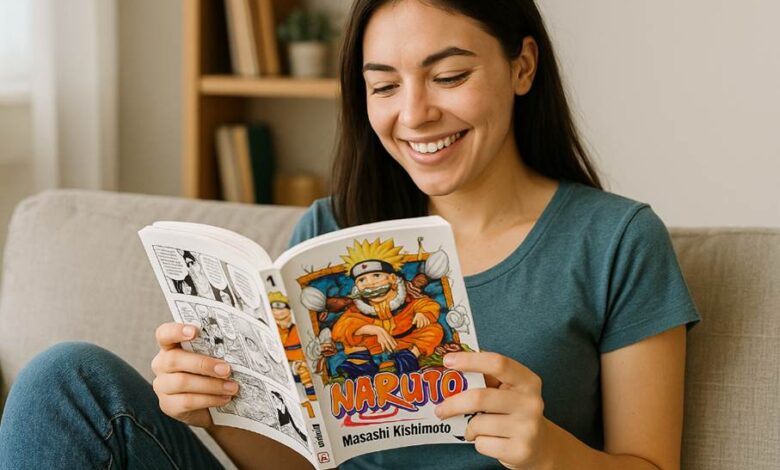
Why does a story about ninjas, friendship, and one boy’s dream of recognition manage to hook readers across generations and cultures? It’s not just action or flashy jutsus Naruto resonates on a deeper, more human level. Behind the whirlwind of hand signs and epic battles lies a masterfully woven narrative that touches on loss, perseverance, and the search for identity. The manga, created by Masashi Kishimoto, has grown from a simple tale into a cultural cornerstone of the anime and manga world. With over 250 million copies sold globally, it’s more than just a popular series it’s a shared emotional experience for fans. Let’s dig into what really makes Naruto special and why it continues to capture the hearts of new readers even years after its final chapter.
The emotional depth behind Naruto’s story
From the very first chapter, Naruto places emotional storytelling at its core. It introduces us to a child shunned by his village, hungry for acknowledgment not power. This simple premise becomes a relatable mirror for anyone who’s ever felt left out, underestimated, or silenced. Characters aren’t just heroes or villains. They’re layered with history, pain, and motivation. Take Gaara, for example. He begins as a ruthless antagonist, yet his backstory reveals a loneliness that parallels Naruto’s. Their clash isn’t just physical it’s emotional, ideological, and transformative.
Each major arc in the manga reveals another facet of the human condition: grief, betrayal, loyalty, sacrifice. Naruto doesn’t shy away from hard truths it leans into them, using them as fuel for character development. It’s why moments like Jiraiya’s death or Itachi’s revelations hit so hard they’re not just plot twists, they’re emotional gut punches. If you’re new to the fandom or looking to immerse yourself even more, take a look at this figurine Naruto figures collection bringing the emotion to your shelf might just bring it closer to your heart, too.
See also: How Digital Calculators Are Transforming Mathematics Education
How character growth makes Naruto unforgettable
In many shonen mangas, characters evolve in power. In Naruto, they evolve as people. The progression isn’t just physical it’s deeply psychological. Naruto begins as a loud, brash kid trying to get attention. But with every battle and bond, he matures into a true leader someone who carries the weight of others’ expectations, trauma, and hope. This long-form character development is one of the core reasons readers stick around for 700 chapters. And it’s not just Naruto. The series excels at giving secondary characters their moments to shine and fall. Sakura’s journey from an insecure teen to a confident, skilled medic. Shikamaru’s reluctant rise into strategic leadership after the death of a mentor. Even villains like Pain, Obito, and Madara are given rich, morally complex arcs.
Fans can relate, debate, and reflect through these characters. It’s that emotional investment that transforms casual readers into lifelong followers. If you’re looking to explore more of the anime world, especially for collectors and enthusiasts, take a peek at the diverse range of anime figures available there’s a story behind every sculpt.
Symbolism and philosophy woven into action
Beyond the fights and transformations, Naruto carries a deep philosophical core. Concepts like the “Will of Fire,” the “Curse of Hatred,” and the idea of inherited pain add rich layers to what could otherwise be standard good vs. evil battles. The manga often explores how trauma is passed through generations, and whether cycles of vengeance can ever be broken. It asks readers: Is peace achievable through understanding, or must it come through power? Naruto’s unwavering belief in empathy, even towards his enemies, is both idealistic and revolutionary in shonen manga. It’s what allows him to “talk-no-jutsu” his way through the battlefield not by weakness, but by emotional strength.
Why this matters to fans
This deeper narrative framework makes re-reading Naruto a layered experience. First reads capture the excitement; second and third reads uncover hidden meanings and emotional callbacks. Fans aren’t just watching action they’re digesting a story about healing, legacy, and what it means to be human.
What other stories lack that Naruto delivers
While many mangas offer strong protagonists, few allow readers to grow with them. Naruto doesn’t just survive battles he learns from them. He mourns, questions himself, seeks guidance. And that vulnerability makes him more real than almost any other shonen character.
The power of nostalgia and community
Naruto began serialization in 1999, which means entire generations grew up with the series. From childhood to adulthood, fans watched Naruto stumble, struggle, and succeed just like they did in their own lives. That shared journey has created a massive, global community bonded by common memories. Forums, fan art, cosplays, conventions Naruto is more than media. It’s identity. It’s comfort. It’s family for many. The way Naruto taps into nostalgia is similar to how a childhood friend feels familiar, flawed, but unforgettable. Here’s what fans often reminisce about:
- chunin exams tension
- jiraiya’s mentorship
- pain’s village attack
- sasuke’s defection arc
- naruto’s first rasengan
Rewatching the anime or revisiting the manga brings back feelings of growth, loss, triumph, and comfort just like flipping through old photo albums. This emotional thread explains why Naruto doesn’t just stay in our shelves it stays in our hearts.
The impact on anime culture and readers’ lives
More than just personal nostalgia, Naruto helped redefine global anime culture. It paved the way for series like My Hero Academia and Jujutsu Kaisen, and continues to influence storytelling, character design, and fan expectations. In terms of life impact, the number of people who say Naruto’s journey inspired them to work harder, believe in themselves, or face personal adversity is staggering. Forums are filled with testimonials about how Naruto got someone through grief, bullying, failure, or burnout.
The themes of resilience, forgiveness, and purpose transcend fiction. They plant seeds in readers especially young ones who take those messages and carry them into their own lives. Whether you’re revisiting the series or discovering it for the first time, Naruto offers more than entertainment it offers a compass.
What Naruto teaches us still matters
Even years after the final chapter, Naruto’s lessons about courage, empathy, and never giving up continue to echo through its fandom. It’s more than nostalgia it’s a reminder that we all have a ninja spirit inside us, just waiting to rise. Does Naruto hold a special place in your life too? Drop a memory, quote, or moment that still sticks with you we’d love to hear your story.