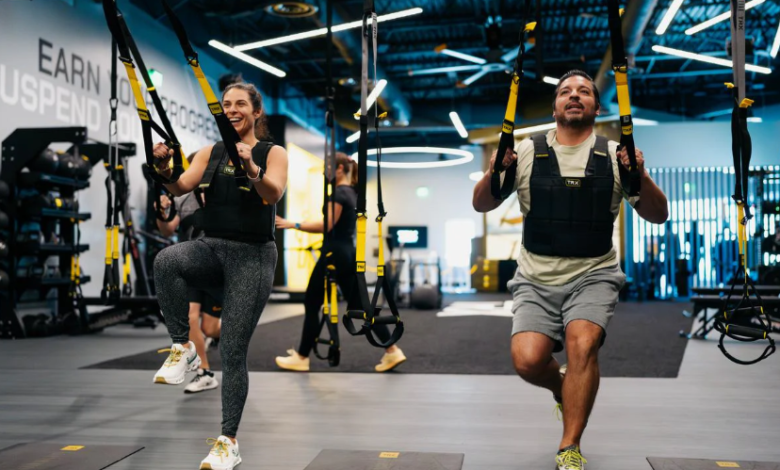
Weighted vests have become one of the most popular fitness tools in recent years. You will see them used in gyms, outdoor parks, and even during simple walks around the neighborhood. From athletes to everyday fitness lovers, more people are using weighted vests to make basic workouts more effective.
But if you are new to this type of training, one big question comes up fast: how heavy should a weighted vest be for beginners? Choosing the wrong weight can lead to poor results or even injury. In this guide, you will learn exactly how to pick the right starting weight, how to progress safely, and how to use a weighted vest the right way.
What Is a Weighted Vest?
How a Weighted Vest Works
A weighted vest is a piece of wearable fitness equipment that adds extra resistance to your body. The weight is spread across your torso, which increases the load on your muscles during movement. This makes normal exercises like walking, squats, or push-ups more challenging.
Unlike ankle or wrist weights, a weighted vest keeps the load close to your center of gravity. This helps maintain balance and posture while training.
Types of Weighted Vests
There are two main types of weighted vests:
Adjustable weighted vests let you add or remove weight plates or sandbags. These are ideal for beginners because you can start light and increase gradually.
Fixed-weight vests come with a set weight that cannot be changed. These are simple but less flexible for long-term use.
Fit is also important. A good weighted vest should feel snug, not loose, and should not shift around while moving.
Why Beginners Use Weighted Vests
Key Benefits of Weighted Vests
Weighted vests offer several proven benefits when used correctly:
They increase strength by adding resistance to bodyweight training.
They improve endurance by making your muscles work harder.
They help burn more calories during cardio workouts.
They can improve bone density through load-bearing movement.
They activate core muscles and support better posture.
This makes them useful for fat loss, muscle building, and overall fitness.
Who Should Avoid Weighted Vests
Some people should be cautious before using a weighted vest:
Those with joint pain or knee problems.
People with back injuries or poor posture.
Anyone recovering from surgery or injury.
If you have a medical condition, it is best to speak with a healthcare professional first.
How Heavy Should a Weighted Vest Be for Beginners?
The 5–10% Bodyweight Rule
Most fitness experts agree on one simple rule: beginners should start with a vest that is around 5 to 10 percent of their body weight.
For example:
If you weigh 60 kg, start with 3 to 6 kg.
If you weigh 80 kg, start with 4 to 8 kg.
If you weigh 100 kg, start with 5 to 10 kg.
This range allows your body to adapt without placing too much stress on your joints and muscles.
If you are looking for beginner-friendly options, Weighted vests offer adjustable designs that make it easy to start light and progress over time.
Recommended Starting Weights
The ideal weight also depends on what you plan to do.
For walking or light cardio, 3 to 5 kg is enough for most beginners.
For running, stay on the lower end, usually 2 to 4 kg, to reduce joint stress.
For bodyweight exercises like squats or push-ups, 5 to 8 kg works well for most people.
Why Lighter Is Better at the Start
Many beginners make the mistake of choosing a heavy vest too soon. This often leads to poor form, muscle strain, and early burnout.
Starting light helps you:
Learn proper movement patterns.
Protect your joints and spine.
Build a strong foundation for progressive overload.
Progress comes from consistency, not from starting heavy.
See also: 7 Practical Electronics Methods Helping Makers Build Reliable Systems for Real-Life Use
How to Choose the Right Weight for Your Goals
For Fat Loss
If your main goal is fat loss, focus on comfort and duration. A lighter vest allows longer sessions like walking or hiking, which helps burn more calories over time.
For Strength Training
For strength and muscle building, you can use a slightly heavier vest. This works well for calisthenics like pull-ups, dips, and lunges.
For Running and Cardio
For cardio workouts, balance is key. Too much weight can hurt your knees and ankles. Keep it light and focus on steady movement.
How to Progress Safely With a Weighted Vest
When to Increase the Weight
You can increase the weight when:
Your workouts feel easy.
You can complete all reps with perfect form.
You recover quickly after sessions.
Most beginners can increase weight every 2 to 4 weeks.
How Much Weight to Add Each Time
Add small amounts, usually 1 to 2 kg at a time. Big jumps increase the risk of injury and slow down progress.
Training Frequency With a Weighted Vest
Use a weighted vest 2 to 3 times per week. Your body needs time to recover, especially when starting out.
Common Mistakes Beginners Make
Starting Too Heavy
This is the most common mistake. Heavy vests lead to joint pain and poor technique.
Poor Fit and Posture
If the vest is loose, the weight shifts and strains your shoulders and back.
Using It for Every Workout
Your body needs variety. Using a weighted vest daily can cause overuse injuries.
Best Exercises for Beginners Using a Weighted Vest
Walking and Incline Walking
Simple and safe. Great for fat loss and endurance.
Bodyweight Squats
Build leg strength and improve mobility.
Push-Ups
Increase upper body and core strength.
Step-Ups
Excellent for balance and lower body control.
Light Jogging
Only with a light vest and good running form.
Safety Tips for Using a Weighted Vest
Warm-Up and Cool-Down
Always warm up your joints and muscles before training.
Listen to Your Body
Pain is a warning sign. Stop if something feels wrong.
Maintain Proper Form
Good posture reduces stress on your spine and joints.
Avoid High-Impact Moves Early
Jumping and sprinting with weight can cause injuries for beginners.
How to Know If Your Weighted Vest Is Too Heavy
Your vest may be too heavy if you notice:
Joint or lower back pain.
Shortness of breath too quickly.
Poor posture while moving.
Reduced performance in normal exercises.
If this happens, lower the weight immediately.
Final Thoughts: What’s the Best Starting Weight?
For most beginners, the best starting point is 5 to 10 percent of body weight. This range is safe, effective, and supported by fitness experts.
The key is to focus on comfort, proper form, and gradual progression. A weighted vest should support your fitness journey, not slow it down. Start light, stay consistent, and increase weight slowly as your strength and endurance improve.
When used correctly, a weighted vest can become one of the most powerful tools in your fitness routine.