Healthy teeth support your whole body, at every age. From a child’s first loose tooth to a grandparent’s dentures, your mouth tells a clear story about your health. General dentistry helps you stay ahead of pain, infection, and tooth loss. It gives you one trusted home for cleanings, checkups, fillings, and guidance for daily care. Early visits help kids feel safe in the chair and build strong habits. Regular care helps adults keep their teeth strong so they can eat, speak, and work without worry. Careful planning helps seniors protect remaining teeth and manage gum disease. Every stage brings new needs. Yet one steady dental team can guide you through all of them. When problems strike fast, an emergency dentist in Green Bay, WI can step in to stop pain and protect your smile. You do not have to face dental problems alone.
Why General Dentistry Matters For Every Age
Your mouth affects how you eat, talk, work, sleep, and connect with others. Bad teeth can lead to missed school, missed work, and serious illness. The Centers for Disease Control and Prevention reports that untreated cavities are common in children and adults.
General dentistry gives you a stable base. You get one office for routine care, early treatment, and quick help when something feels wrong. The same team can:
- Watch changes in your teeth and gums over time
- Spot problems early while they are small
- Guide you on brushing, flossing, and diet at each life stage
Strong oral care is not a luxury. It is a basic part of being able to eat without pain, speak clearly, and feel willing to smile in public.
Key Services General Dentists Provide
Most general dentists offer three main types of care. Each supports you at any age.
- Prevention. Routine cleanings, exams, fluoride, sealants, and X-rays when needed. These steps remove plaque, watch for early decay, and track jaw and tooth growth.
- Restoration. Fillings, crowns, and simple extractions repair damage and stop infection from spreading. These treatments help you keep natural teeth as long as possible.
- Education. Clear guidance on brushing, flossing, diet, mouthguards, and tobacco use. This knowledge lets you protect your own teeth between visits.
General dentists also refer you to specialists when you need braces, surgery, or complex root canal care. You stay connected to a team that knows your history and your goals.
How General Dentistry Helps Children
Early childhood is a turning point for lifelong oral health. The American Academy of Pediatric Dentistry urges a first dental visit by age one or within six months of the first tooth.
General dentistry supports kids through three core steps.
- Building comfort. Short, calm visits reduce fear. Children learn that the chair is a safe place where adults listen and explain.
- Protecting baby teeth. Baby teeth hold space for adult teeth. Treating cavities and cleaning baby teeth helps the jaw grow in a healthy way.
- Teaching habits. Your dentist can show your child how to brush, how much toothpaste to use, and why too much sugar harms teeth.
Regular checkups help catch problems such as crooked teeth, mouth breathing, or thumb sucking. Early action can prevent painful treatment later in life.
Support For Teens And Young Adults
Teen years bring new pressure on teeth. Sports, sugary drinks, and busy schedules test even strong habits. General dentistry gives teens straight talk and practical tools.
- Mouthguards for sports to prevent broken or lost teeth
- Clear talk about vaping, smoking, and oral piercings
- Checks for grinding, jaw pain, or stress-related clenching
Young adults may leave home and lose track of regular care. A trusted dentist can help you plan visits around school or work, set reminders, and keep your records in one place. This reduces the risk of sudden severe tooth pain that might force you into urgent care.
Care For Working Adults
Adults often ignore tooth pain until it becomes unbearable. General dentistry helps you stay ahead of that. Routine visits can uncover small cavities, cracked teeth, or gum infection before they spread.
Common support for adults includes three main services.
- Treatment for tooth decay with fillings or crowns
- Deep cleanings when gum disease begins
- Night guards for grinding that can crack teeth and cause headaches
You also get clear advice about diet, dry mouth from medicines, and how health problems such as diabetes affect your gums. Regular care helps you stay able to chew a wide range of foods and speak without pain or bleeding.
See also: Why Fluoride Treatments Are Vital For Children’s Oral Health
Special Support For Seniors
Seniors face unique threats to oral health. Many take medicines that dry the mouth. Some live with arthritis or memory loss that makes brushing hard. General dentistry adjusts care to match these changes.
- More frequent cleanings when gum disease is present
- Careful checks for root decay near the gumline
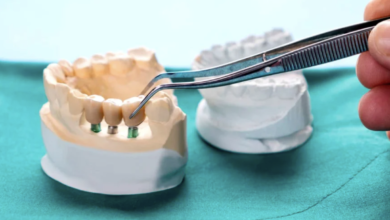
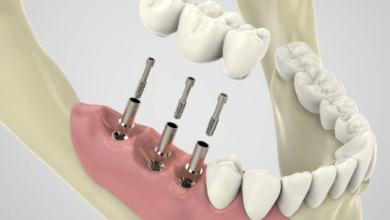
- Help with dentures, partials, and implants
Your dentist can also screen for oral cancer and watch for signs of poor nutrition due to chewing problems. Gentle, steady care helps seniors stay able to eat, talk, and connect with family without shame or fear.
Comparing Oral Health Needs Across Ages
| Life stage | Main risks | Key dental visits | Top three focus points |
|---|---|---|---|
| Children | Cavities from sugar and bottles | Every 6 months | Sealants, fluoride, habit training |
| Teens | Sports injuries and soda | Every 6 months | Mouthguards, alignment checks, decay checks |
| Adults | Gum disease and grinding | Every 6 to 12 months | Deep cleanings, fillings, night guards |
| Seniors | Tooth loss and dry mouth | Every 3 to 6 months | Denture care, root decay checks, cancer screening |
When You Need Emergency Care
Even with strong habits, accidents and sudden pain still happen. A fall on the ice, a broken filling during dinner, or swelling near a tooth can turn your day upside down. General dentists often provide same day visits or guide you to urgent help.
Seek emergency care right away if you have:
- Severe tooth pain that does not ease
- Swelling in your face or jaw
- A knocked out or cracked tooth
- Bleeding that does not stop
Fast treatment can save a tooth, clear an infection, and protect your overall health.
Taking The Next Step
You do not need perfect teeth to start. You only need one choice. Call a general dentist, schedule a visit, and share your concerns openly. Then build a simple plan. Three steps can help any age group. Keep regular checkups. Brush and floss every day. Ask questions until you understand your options.
Your mouth is part of your body. When you care for it at every life stage, you protect your strength, your comfort, and your confidence.