When Should You Choose Boiling Waterproof Plywood Over Regular Plywood?

Plywood is one of the most commonly used materials in furniture, interior design, and construction projects. Its versatility, affordability, and ease of use make it a favorite among carpenters, architects, and homeowners. However, not all plywood is created equal. Among the various types available in the market, boiling waterproof plywood stands out for its unique durability and resistance to moisture. But when exactly should you opt for it instead of regular plywood? Let’s explore.
Understanding the Difference
Regular plywood, sometimes called standard or commercial plywood, is made by gluing thin layers of wood veneers together. While it offers decent strength and flexibility, it is vulnerable to moisture, humidity, and water damage over time. This limitation makes it unsuitable for areas prone to dampness.
On the other hand, boiling waterproof plywood (often labeled as BWP or marine-grade plywood) is specially treated to withstand water exposure. Its adhesive is resistant to boiling water, ensuring the layers remain intact even in extremely humid conditions or direct contact with water. This enhanced resistance significantly reduces the chances of warping, swelling, or delamination.
Ideal Scenarios for Choosing Boiling Waterproof Plywood
- Kitchen Cabinets and Countertops
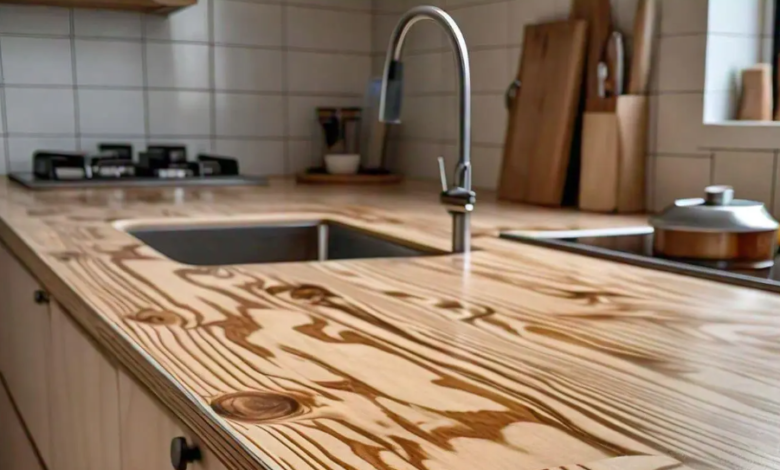
Kitchens are constantly exposed to water, steam, and cooking spills. Using regular plywood in these areas increases the risk of swelling, fungal growth, or eventual damage. Boiling waterproof plywood is ideal for kitchen cabinets, shelves, and countertops because it can resist moisture and maintain its structural integrity for years. - Bathrooms and Wet Areas
Bathrooms are high-humidity zones where water splashes are frequent. From vanity units to storage shelves, using boiling waterproof plywood ensures that your furniture doesn’t deteriorate due to moisture exposure. Regular plywood, even if treated with standard finishes, is not reliable for prolonged contact with water. - Outdoor Furniture and Decking
If you’re planning outdoor furniture or wooden structures exposed to rain or humidity, boiling waterproof plywood is the safer choice. Its waterproof adhesive and durable veneers prevent cracking and swelling, which are common issues with regular plywood under changing weather conditions. - Boats and Marine Applications
True to its name, boiling waterproof plywood is ideal for marine applications. Boats, docks, and other water-based structures require plywood that can handle immersion or constant exposure to water. Regular plywood simply cannot endure such environments without rapid deterioration.
See also: How to Create a flexible workspace with smart modular home office furniture
Cost Considerations
Boiling waterproof plywood is generally more expensive than regular plywood, which may make some homeowners hesitant. However, considering the longevity, reduced maintenance, and protection from moisture-related damage, it often proves to be cost-effective in the long run. Investing in BWP plywood can save money on repairs, replacements, and potential water damage issues.
Conclusion
Choosing between regular plywood and boiling waterproof plywood depends primarily on where and how the material will be used. For dry, indoor applications, regular plywood can suffice. However, in kitchens, bathrooms, outdoor areas, or any environment with high moisture exposure, boiling waterproof plywood is the smarter, longer-lasting choice. Its water-resistant properties, strength, and durability make it a reliable material for projects that demand both performance and longevity.
In essence, when durability meets moisture resistance, boiling waterproof plywood emerges as the superior choice. Selecting the right plywood type ensures that your furniture, cabinets, and structures remain strong, functional, and aesthetically pleasing for years to come.