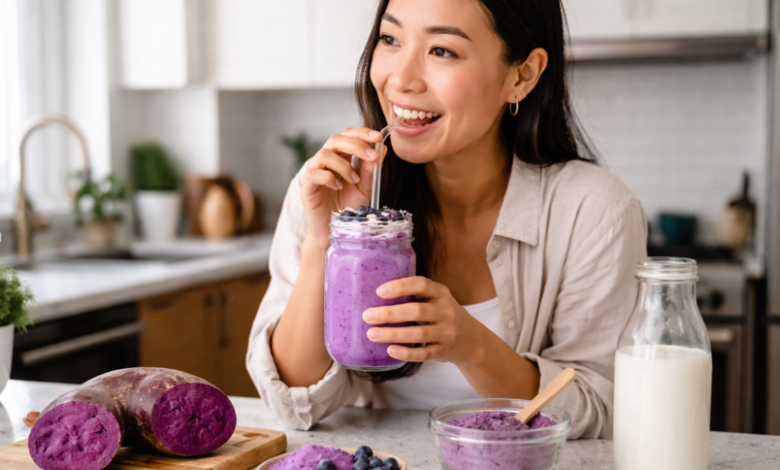
With its vibrant purple hue and rich, nutty flavour, ube is more than just an Instagram-worthy ingredient it’s also being touted as a superfood. Whether you’ve spotted it in ice cream, cakes, or trendy lattes, you might be wondering: is eating ube actually good for your health? While this purple yam has long been used in Filipino cuisine, its popularity is now spreading rapidly across Australia. As curiosity grows, so do the questions about ube powder, a convenient and shelf-stable way to enjoy this root vegetable. Is it just a pretty colour, or is there more beneath the surface? In this article, we’ll dig deep like harvesting a yam from rich volcanic soil to uncover whether ube powder deserves a spot in your kitchen, your smoothies, and maybe even your wellness routine. We’ll break down the nutritional benefits, potential concerns, and the best ways to enjoy it. First up, let’s look at how ube powder is made and what exactly it contains. If you’re looking for a reliable source, you can check out this organic ube supplier that specialises in high-quality, Australian-approved options.
What is ube powder made from?
Ube powder is made by dehydrating and finely grinding purple yam also known as Dioscorea alata. Unlike taro, which it’s often confused with, ube has a natural sweetness and a vibrant violet tone that becomes even more pronounced when cooked. The production process is relatively straightforward. Fresh ube is steamed or boiled, then mashed and dried using either freeze-drying or oven dehydration techniques. This preserves its nutrients while making it easier to store and incorporate into recipes.
The result is a versatile powder that retains the earthy sweetness and aromatic profile of fresh ube. Depending on the drying method, some vitamins and antioxidants may be slightly reduced, but many of the core nutrients remain intact, including:
- Fibre
- Vitamin C
- Potassium
- Anthocyanins (natural antioxidants responsible for the purple pigment)
- Complex carbohydrates
These nutrients make it more than just a colourful ingredient it’s a meaningful one. Plus, since it’s shelf-stable, it reduces food waste compared to fresh ube, which has a short shelf life and is often hard to find in Australian supermarkets.
Is ube powder actually healthy?
Yes but with some nuance. Ube powder can be a healthy addition to your diet, particularly when used in moderation and as part of a balanced intake. Let’s break down some of the reasons it’s considered beneficial:
1. Rich in antioxidants
Anthocyanins, the compounds responsible for ube’s deep purple colour, are potent antioxidants. These have been studied for their role in reducing inflammation, improving heart health, and supporting cognitive function. Adding ube to your diet could be compared to “painting your plate with defence” against oxidative stress.
2. Good source of fibre and slow carbs
Ube is naturally high in dietary fibre and complex carbohydrates. Unlike refined sugars, these carbs release energy slowly, helping you stay full for longer and avoid blood sugar spikes. That makes it a better choice for people managing energy levels or looking for low-GI food alternatives.
Can ube powder support your digestion?
The short answer: yes, it can. Thanks to its fibre content, ube powder contributes to healthy digestion in several ways. Fibre helps regulate bowel movements, feed beneficial gut bacteria, and may reduce the risk of gastrointestinal issues. For those with gluten sensitivity or following a plant-based lifestyle, ube powder is naturally gluten-free and vegan, making it accessible for a wide range of dietary needs. To get the best digestive benefits:
- Choose organic ube powder
- Use it in wholefood recipes
- Avoid heavily processed ube desserts
- Combine with other fibre-rich ingredients
But remember a little goes a long way. Since it’s often used in desserts, the added sugar or fats can offset the benefits if you’re not mindful of the overall recipe.
How does ube powder compare to fresh ube?
Fresh ube is wonderful but not always practical. In Australia, it’s not easy to find, and its perishability makes it tricky for everyday use. Ube powder, by contrast, offers:
- Longer shelf life
- Convenience
- Ease of storage and transport
- Consistent flavour and colour
From a nutritional perspective, both forms are quite similar, though fresh ube might retain a slightly higher water-soluble vitamin content (like vitamin C) depending on the drying method used. However, high-quality powder like organic ube powder made with minimal processing retains a majority of the original benefits. If you’re after accessibility and consistency, ube powder is the more realistic option for Australian kitchens.
Are there any health risks with ube powder?
Ube itself is safe to consume for most people. But there are a few things worth considering:
- Watch for additives. Some commercially produced ube powders contain added sugars, preservatives, or colouring. Always read the label and opt for pure ube powder when possible.
- Storage matters. Improper storage can lead to moisture contamination. Keep it in an airtight container in a cool, dry place.
- Portion size. Like any carbohydrate-rich food, it should be consumed in moderation, especially if you’re managing blood sugar or weight.
That said, there are no known toxic components in ube (unlike wild yams or improperly prepared cassava), making it a relatively safe food for everyday consumption.
See also: How MRI in Campbelltown Helps Detect Hidden Health Issues
Final thoughts on ube and your wellbeing
Ube powder isn’t just a pretty face in the pantry. It’s a naturally nutritious, plant-based ingredient with a compelling blend of fibre, antioxidants, and essential minerals. When used mindfullyespecially in homemade recipes rather than sugar-loaded desserts it can be a vibrant and healthy addition to your daily routine. Have you tried cooking or baking with ube powder yet? What’s your go-to recipe or health tip? Share your thoughts, and let’s turn this trend into something truly nourishing.
How to use ube powder in healthy recipes
Ube powder might be best known for its role in vibrant desserts, but that doesn’t mean it can’t fit into a balanced lifestyle. In fact, this versatile ingredient has found its way into smoothies, porridges, and even savoury dishes all without losing its health appeal. What matters most is how you use it. The majority of ube-based sweets sold in cafés or stores tend to be loaded with sugar, cream, and food colouring. If you’re serious about enjoying ube powder benefits without the extra baggage, it’s worth experimenting at home with clean ingredients and low-GI options.
Here are some healthy ideas to inspire you:
1. Ube protein smoothies
A teaspoon of ube powder blended with almond milk, banana, protein powder and a pinch of cinnamon makes for a colourful, nutritious shake. The fibre and slow carbs in ube provide sustained energy, while the antioxidants give your body a much-needed boost perfect post-gym or mid-morning.
2. Ube porridge or oats
Stir a small spoonful of ube powder into your morning oats or overnight chia pudding. Not only does it transform the colour, it adds a subtle earthiness that complements vanilla, coconut or nuts. This kind of meal keeps you full for hours, making it ideal for those seeking balanced nutrition. If you’re after more adventurous options, you can even experiment with ube in savoury dishes like:
- ube gnocchi with sage butter
- ube-infused steamed buns
- roasted vegetable mash with ube
There’s no need to wait for dessert to enjoy its unique flavour profile.
What makes organic ube powder a better choice?
While ube is healthy in its natural form, not all ube powders are created equal. Choosing organic ube powder isn’t just a marketing choice it’s a health-conscious one. Here’s why quality matters:
- Fewer additives and chemicals: Organic versions are typically free from preservatives, artificial dyes, and sweeteners.
- Better nutrient retention: High-quality freeze-drying methods help preserve the original vitamins and antioxidants.
- Cleaner sourcing: Many organic producers use sustainable farming practices, ensuring that the soil, climate, and harvest methods are better for both you and the planet.
When ube is farmed with care and processed minimally, the end result is not only healthier but also more flavourful. Think of it like comparing instant coffee with freshly ground beans both technically get the job done, but one clearly offers more depth and benefit. The best ube powder brand in Australia will often have clear labelling, origin information, and customer reviews that reflect consistency and quality. If you’re shopping online, always check whether the product is 100% pure ube with no fillers. This ensures you’re getting the most nutritional value without unnecessary extras.
Does ube powder fit into a vegan or gluten-free diet?
Absolutely and this is one of the reasons why it has gained traction in health-conscious communities across Australia. Ube, by nature, is:
- Vegan-friendly: It’s a plant-based root with no animal-derived ingredients involved in the growing or powdering process.
- Gluten-free: Since it comes from a tuber, it contains no wheat, barley, or rye components. That makes it a safe option for people with coeliac disease or gluten intolerance.
However, caution is still needed when buying pre-packaged ube treats or mixes. Some commercially available ube desserts include condensed milk, butter, or wheat flour which defeats the purpose if you’re trying to stay clean or allergen-free. For those who want the flexibility to create their own recipes, pure organic ube powder is the safest and most adaptable option. It’s a pantry staple that opens the door to countless healthy, inclusive recipes from vegan cakes to dairy-free smoothies and gluten-free pancakes. This compatibility with multiple diet types is one of the reasons why ube is quickly rising from a niche novelty to a genuine health food alternative. As more people discover how easy it is to integrate into a wellness-focused lifestyle, its popularity will likely continue to grow.
How should you store ube powder to keep it fresh?
It’s one thing to buy high-quality natural ube powder in Australia, but it’s another to keep it that way once it’s in your kitchen. Because of its finely milled texture, ube powder is susceptible to moisture, heat, and light factors that can all degrade its colour, flavour, and nutrients. Here’s how to store it properly:
- Use an airtight container
- Keep it in a cool, dark place (a pantry, not a fridge)
- Avoid exposure to humidity
- Use a dry spoon every time you scoop
- Label with the purchase or open date
When stored correctly, ube powder can last up to 12 months, though its flavour may fade slightly after 6 to 8 months depending on exposure. You’ll know it’s gone off if it starts clumping, smells sour, or loses its colour vibrancy. For optimal results, buy only what you’ll use within a reasonable period. Bulk buying can be tempting, but unless you’re cooking for a crowd, smaller amounts ensure maximum freshness and nutritional impact.
Your take on purple power
Ube powder brings more than just stunning visuals to your plate it offers a blend of health benefits, culinary flexibility, and dietary inclusivity. From its antioxidant-rich profile to its role as a high-fibre, low-GI carbohydrate, it’s a smart addition to any modern pantry. But like any ingredient, its health impact depends on how you use it. Choosing organic, unprocessed powder and pairing it with nourishing recipes turns this traditional root into a truly contemporary superfood. Have you been inspired to try ube powder in your own kitchen? Whether you’re blending a smoothie, baking, or just exploring something new, don’t hesitate to share your favourite ideas or questions. Purple might just be the new green.